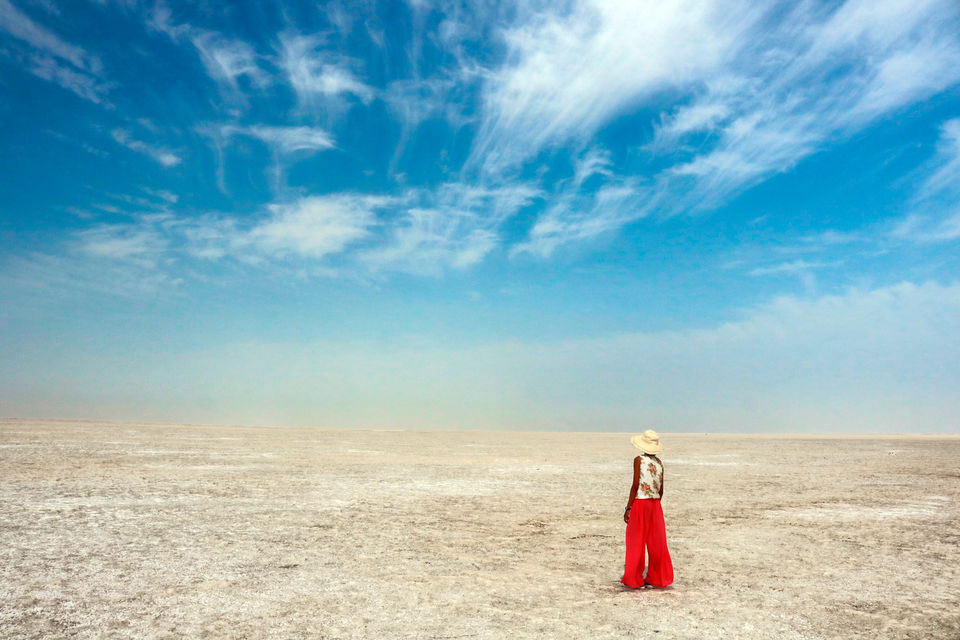
Located on the western edge of India, Gujarat is a land of striking contrasts. From endless white salt deserts and ancient stepwells to vibrant festivals, lion-filled forests, and bustling coastal cities, Gujarat offers a side of India that feels both deeply traditional and rapidly modern.
Bordered by the Arabian Sea, the state has long been a gateway for trade, culture, and migration, shaping a unique identity that blends entrepreneurship, spirituality, and resilience. It is home to the surreal Rann of Kutch, the last natural habitat of the endangered Asiatic Lion in Gir National Park, intricately carved temples, colorful handicrafts, and one of the most diverse food cultures in the country.
But beyond its landscapes and attractions, Gujarat is best experienced through its people. Warm hospitality, rich storytelling traditions, lively street markets, and celebrations that spill into the streets make the state feel alive in every corner. Whether you arrive here chasing wildlife, history, architecture, or simply curiosity, Gujarat has a way of surprising you with experiences that stay long after the journey ends.
“In Gujarat, tradition is not preserved in museums, it lives in its people, food, festivals, and everyday life.”
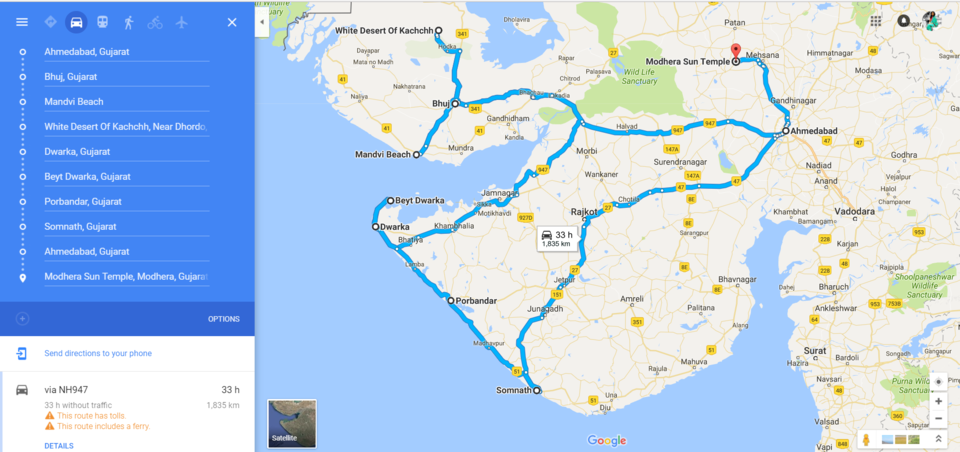
While searching for my next adventure, I wanted a road less explored. Staring into the map of India, I laid my eyes on to the west and there it was, my next destination.
The westernmost state of India is unfairly overlooked by many travellers. This state has a smart city, salt desert, remarkable architecture, mouth watering delicacies, tribal villages, India’s finest textiles, migratory birds, India’s only wild ass sanctuary, Asiatic lions, sacred Hindu and Jain pilgrimage sites and colorful festivals.
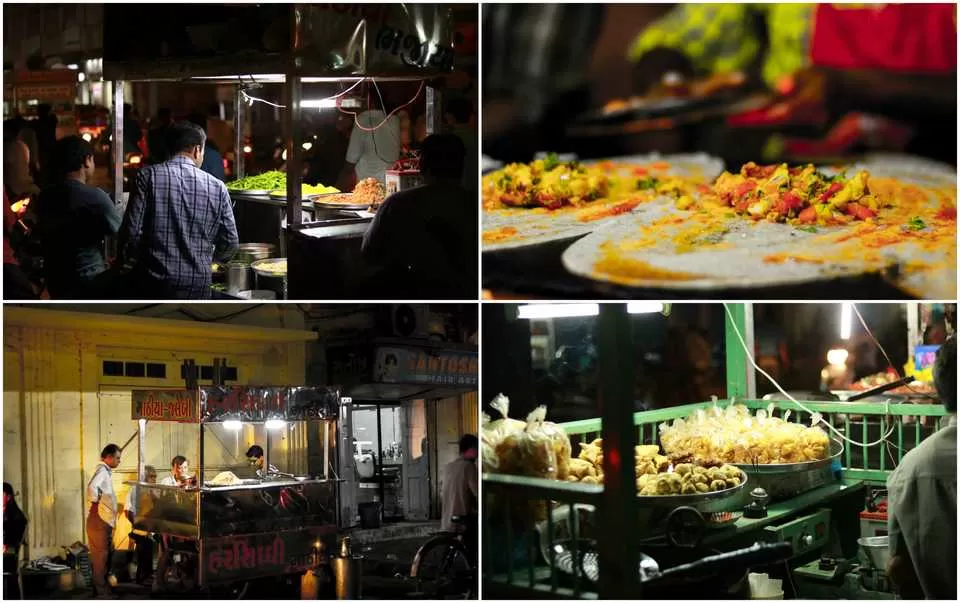
I took upon a 7 day and 1800 kms journey along the Arabian Sea, to witness the grandeur that is Gujarat. Travelling by tempos, local buses and rickshaws I witnessed sunrise in Rann of Kutch, the earthquake devastation in Bhuj, the beauty of Mandavi, prayed in Dwaraka, had masala dosa in Porbandar and teleported into history at Rani Ki Vav.
G.u.j.a.r.a.t
Day 1
Ahmedabad
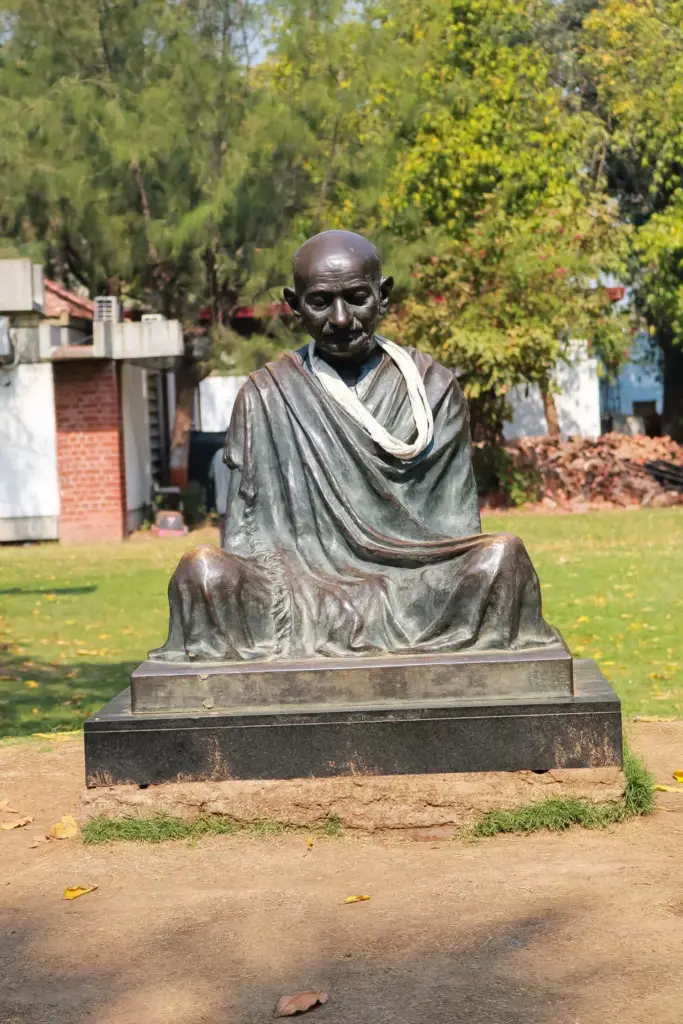
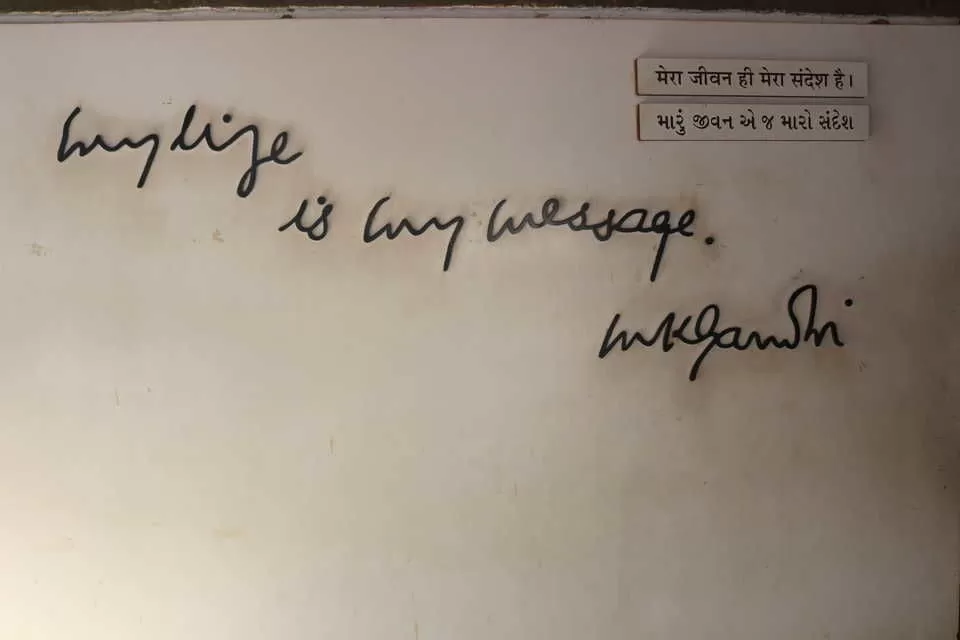
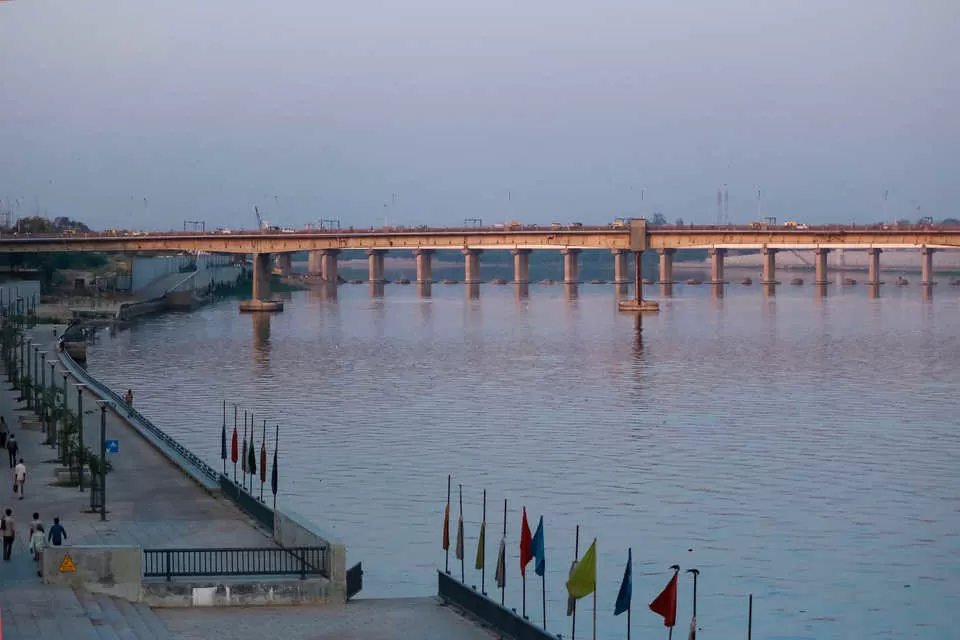
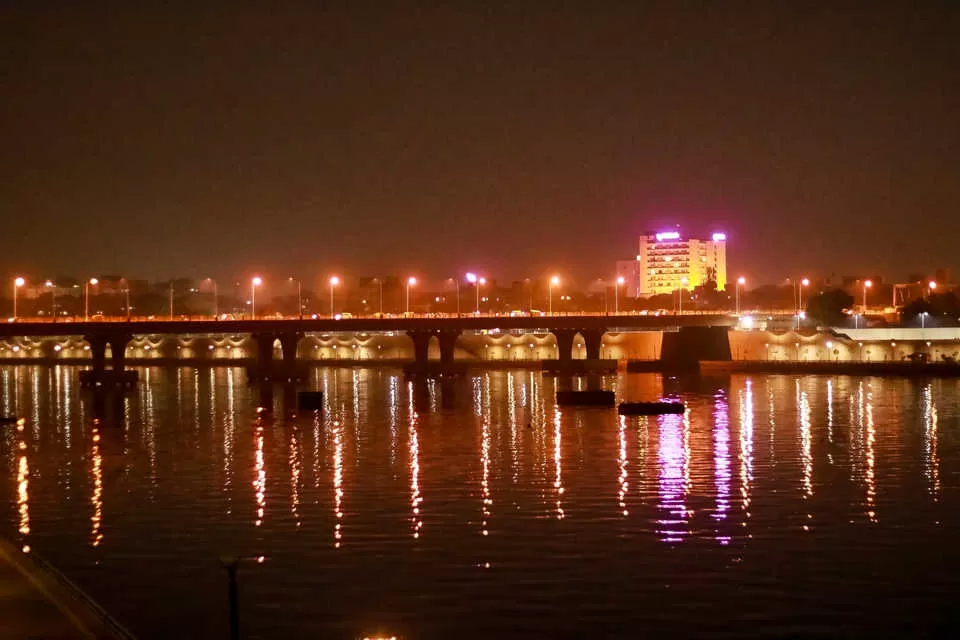
The journey started from Bangalore on a 2 hour flight to Ahmedabad. By noon we had landed at the largest city in the state. After a sumptuous Gujarati meal, we headed to the Gandhi Ashram. The Ashram consists of some of the most vivid and historic events of Gandhi’s life. Along side Sabarmathi river, this ashram has a lovely park that is so serene that all you hear is parrots, pigeons and squirrels. By nightfall, the river front is a man made beauty, the entire area is well lit by pink and yellow lights, it’s a treat to the eyes.
Gandhi Ashram
Sabarmati
Day 2
Kutch
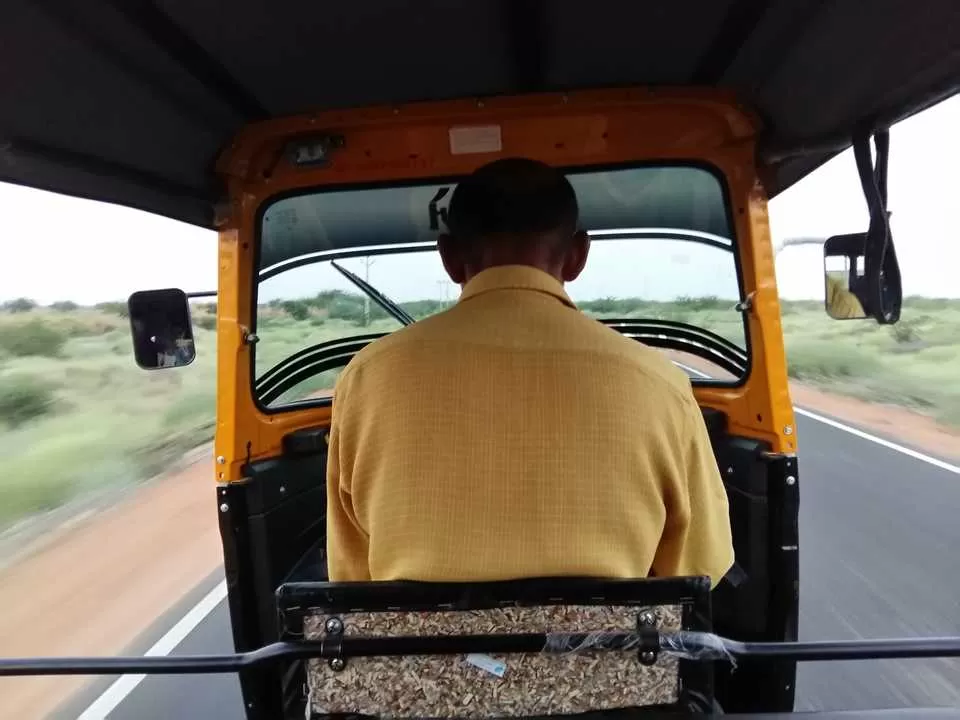
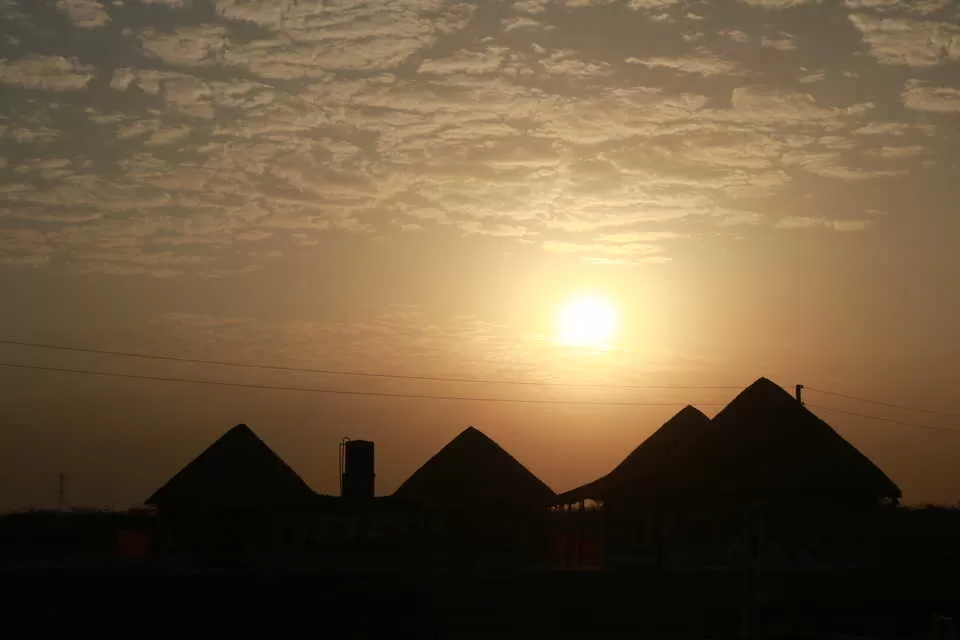
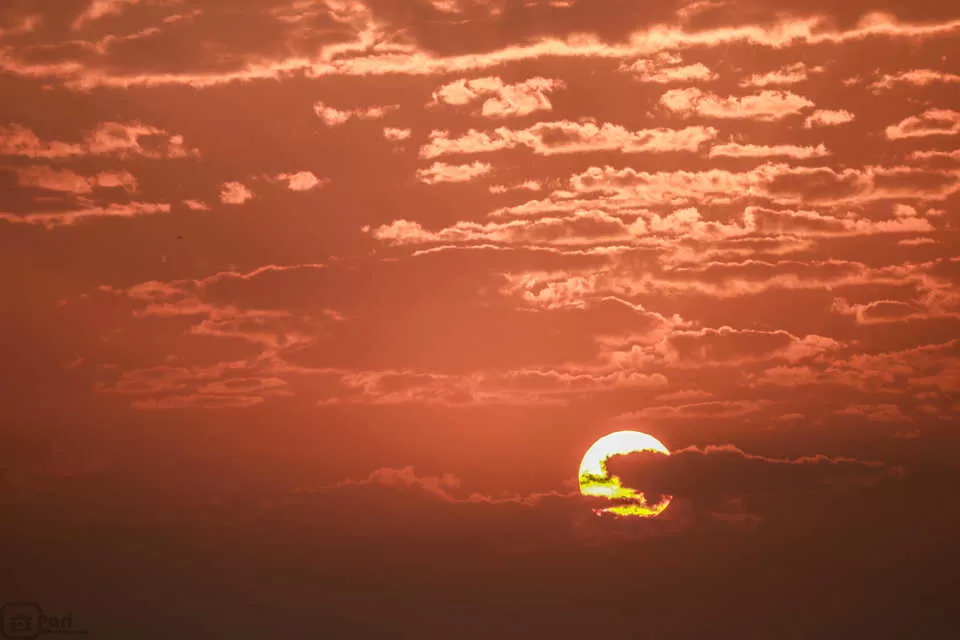
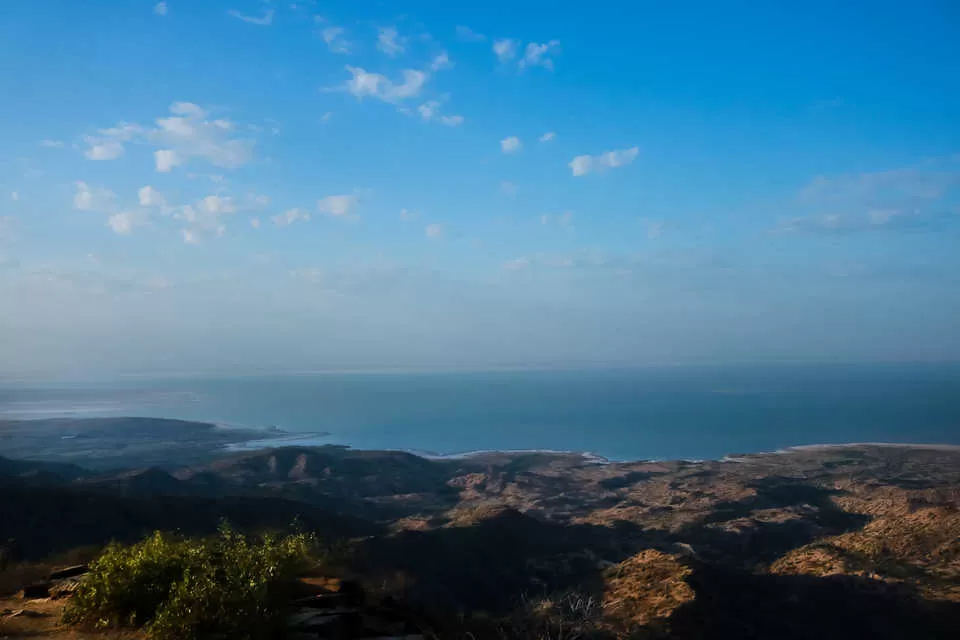
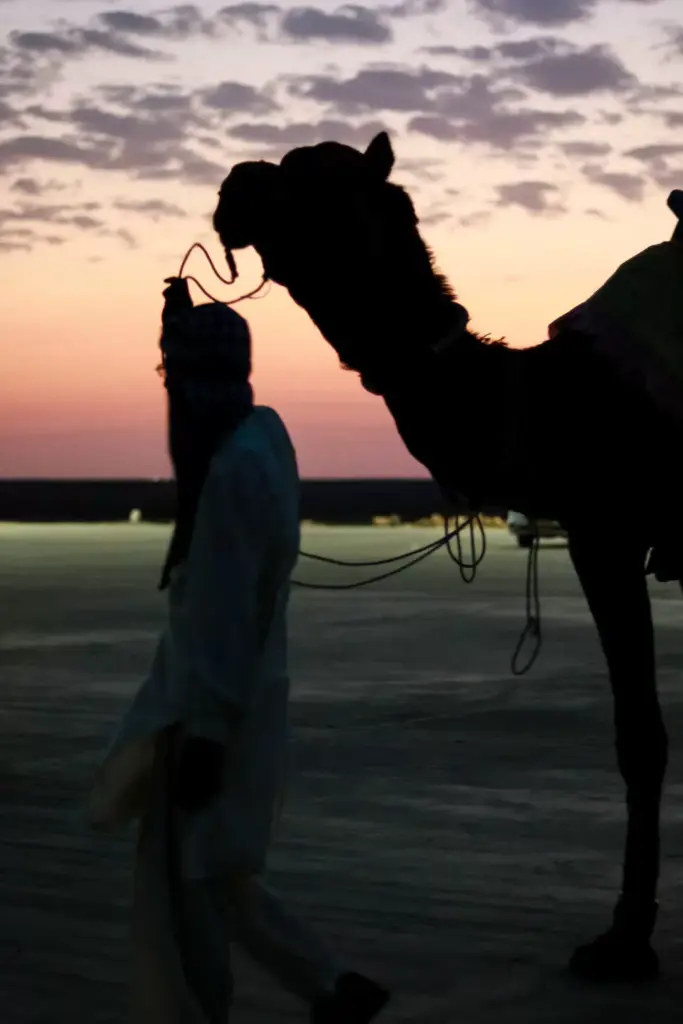
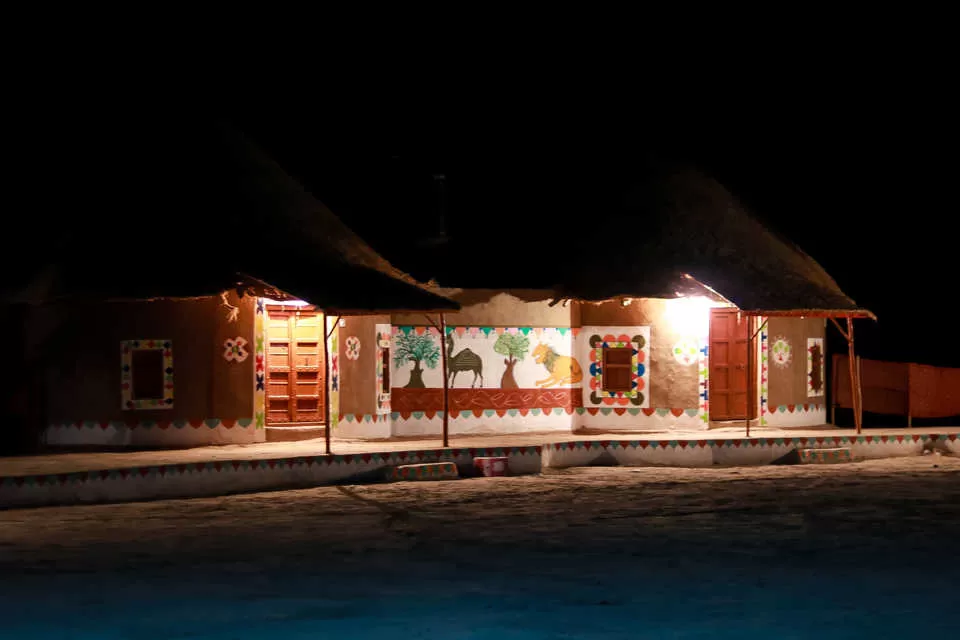
Ahmedabad to Bhuj is approximately 330 kms which we covered in an overnight non A/C sleeper bus. The only way to reach Rann of Kutch from Bhuj is by rikshaw or taxi. We hired a rickshaw for 700 INR. 80 kms chilly ride along side the never ending stretch of barren land was mesmerizing. Passing through the Tropic of Cancer, watching the sun rise and stopping for coffee in a dhaba is what I call life. As it was off season “Rann Kandhi” in Dhordo was the only place that was open and we were lucky to get accommodation with food for 4000 INR per Bhunga (hut). We went to “White Rann of Kutch” and Kala Dungar before calling it a day.
The Rann of Kutch is one of the most surreal landscapes in India. Located in the northwestern part of Gujarat near the border with Pakistan, it is one of the largest salt deserts in the world. During the dry season, the land transforms into an endless stretch of white salt flats that seem to merge with the sky, creating a dreamlike landscape unlike anywhere else in the country.
What makes the Rann truly special is how dramatically it changes with the seasons. During monsoons, parts of the desert are submerged under water, while winter reveals the iconic white desert that attracts travelers from around the world. Sunset and full moon nights here are especially magical, when the salt crystals reflect changing colours across the horizon.

Day 3
Rann of Kutch
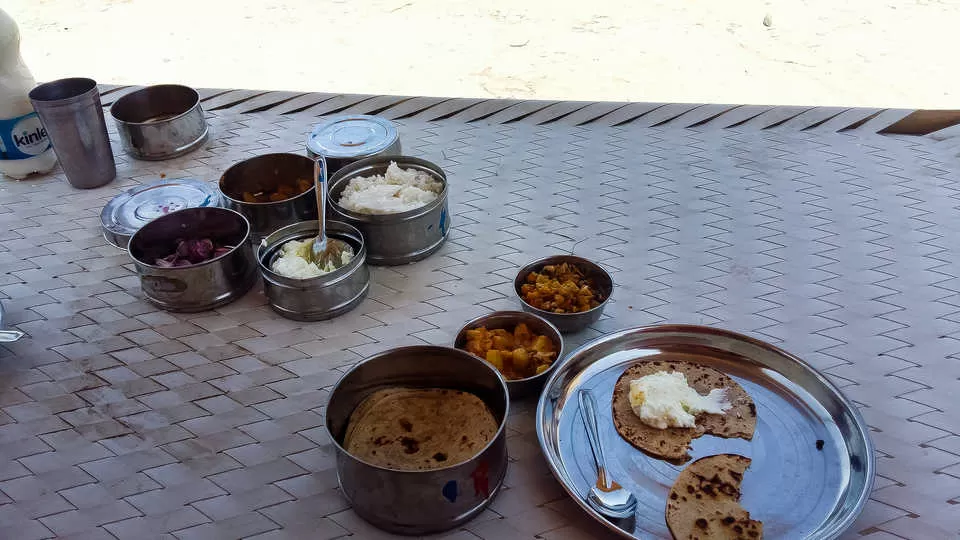
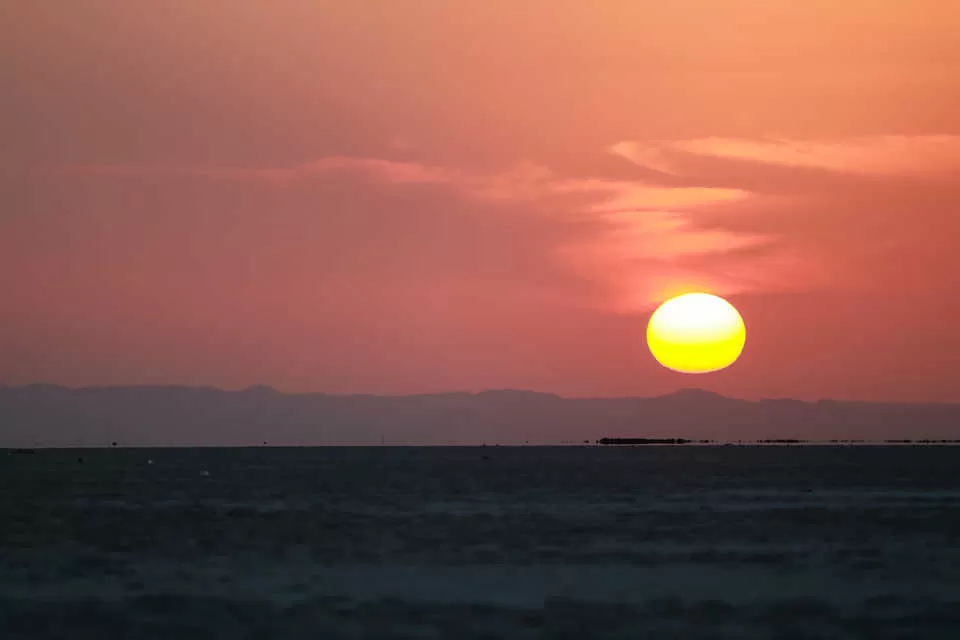
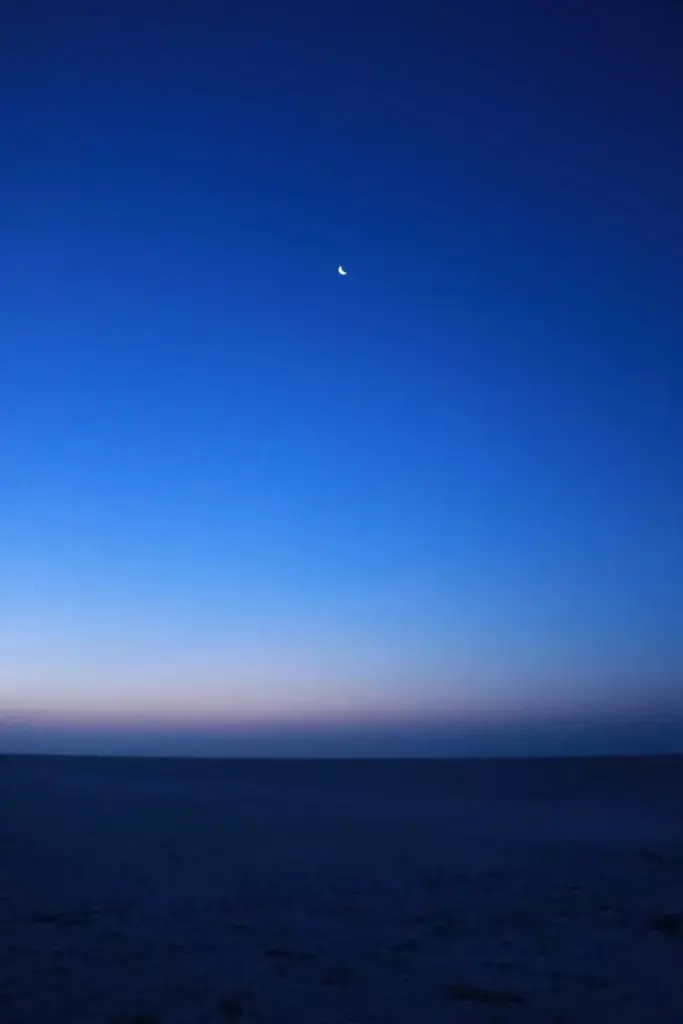
A moonlit night on Kutch can perhaps unlock the answer to your existence. Waking up at 5.30 am to watch the sun rise against the vastness of the salt desert was no hard call. Just being there, doing nothing and looking across infinite salt, gives you a sense of reality. We happened to attend a local wedding, eat in one of the villagers house and enjoy their hospitality. The cuisine of Kutch is an offshoot of Gujarati but has its own distinct flavors. To commute within Kutch you can hire a taxi for 2500 INR per day. Bidding goodbye to the salt lake, we reached Bhuj by nightfall as they have cheaper accommodations. One can find affordable rooms starting from 500 INR per night.


Day 4
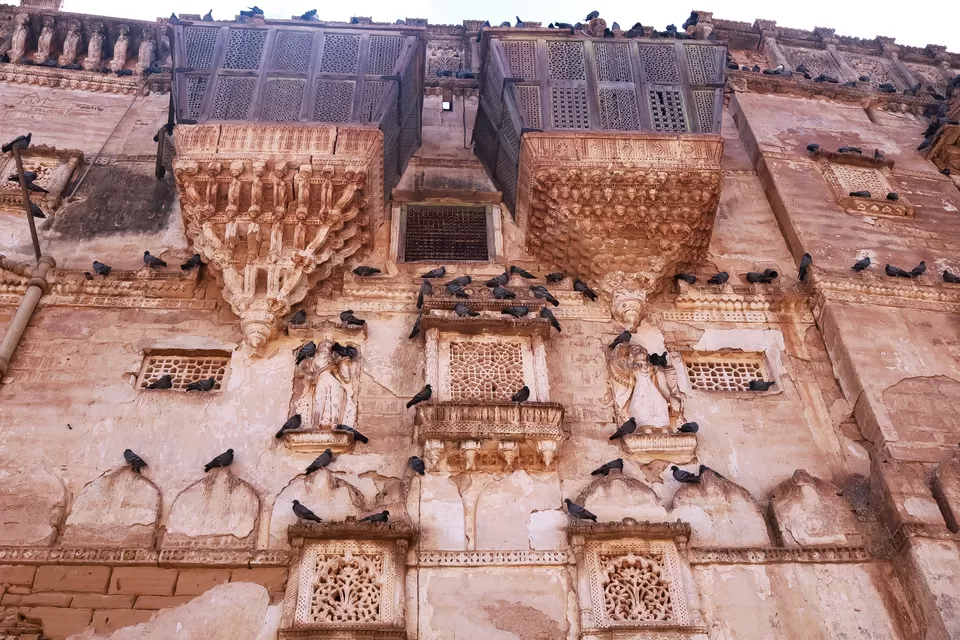
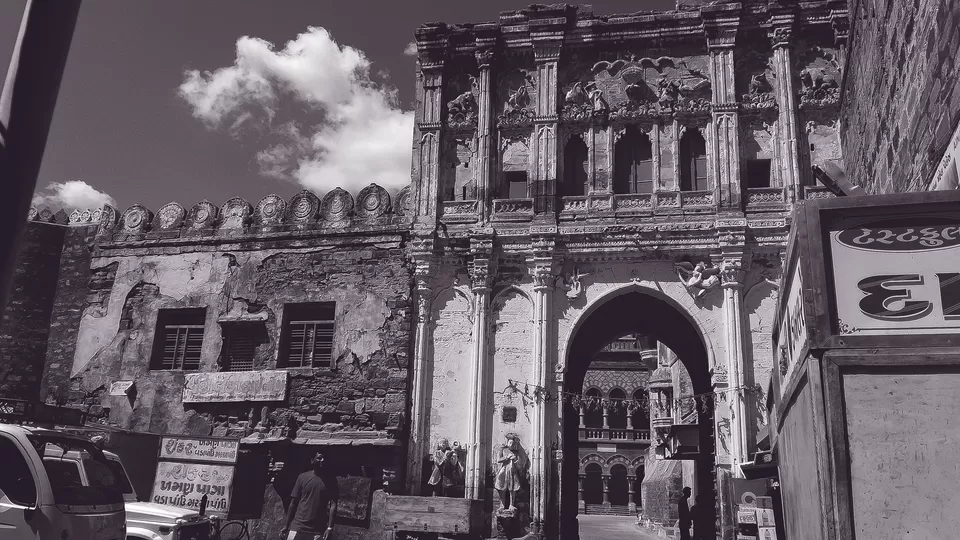
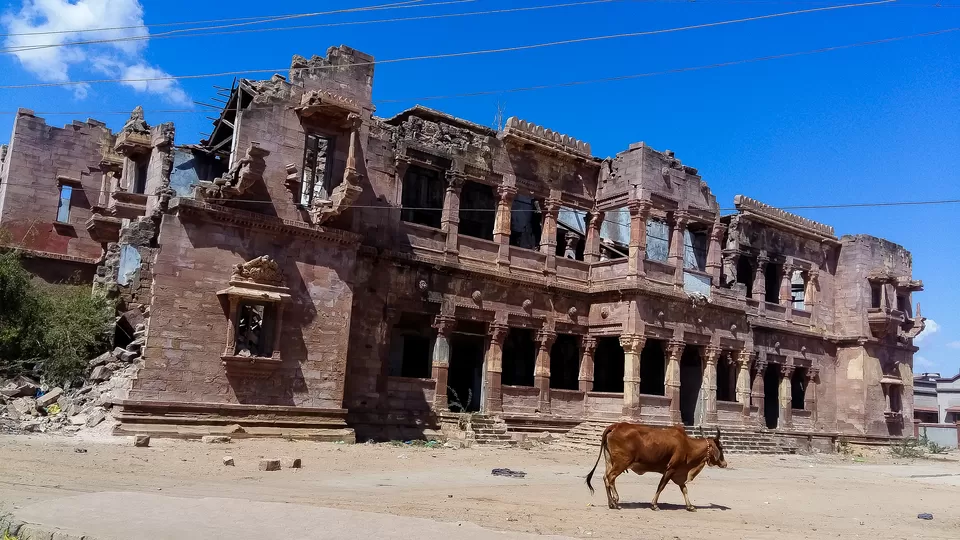
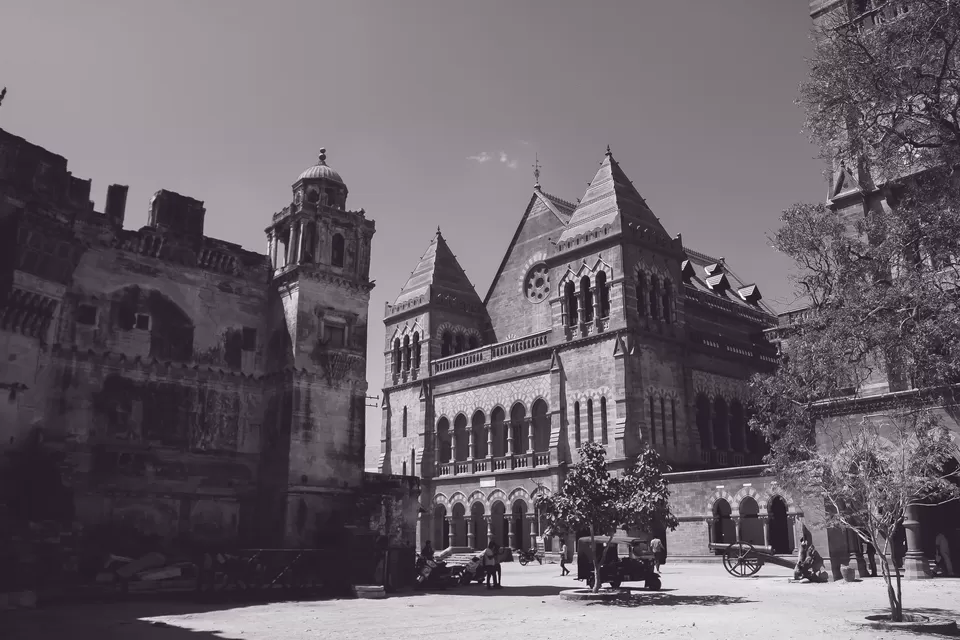
Bhuj is the cultural heart of Kutch, a city that carries both the scars of tragedy and the spirit of resilience. Known today for its vibrant handicrafts, bustling bazaars, historic palaces, and gateway access to the Rann of Kutch, Bhuj also holds the memory of one of India’s deadliest natural disasters. On January 26, 2001, a devastating earthquake measuring 7.7 struck the region, flattening entire neighbourhoods and claiming thousands of lives across Kutch. Even today, stories of survival and loss remain deeply woven into the city’s identity. But what stands out most about Bhuj is not the destruction, it is the way the city rebuilt itself.
Bhuj
Walking through Bhuj now, you see a place full of colour and life, where local artisans continue centuries old traditions of embroidery, weaving, leatherwork, and block printing. The resilience of its people is visible everywhere, from restored heritage structures like Aina Mahal to the lively streets filled with chai stalls, markets, and conversations. Bhuj is not just a stop before the white desert, it is a reminder of how communities can endure, rebuild, and still hold on to their culture through unimaginable hardship.
Prag Mahal, Aaina Mahal, Royal Tombs or the Chattris and Hamirsar Lake are some of the places you can see in Bhuj. Turn off your hygiene instincts and taste the chats and icy kulfi in the street market.
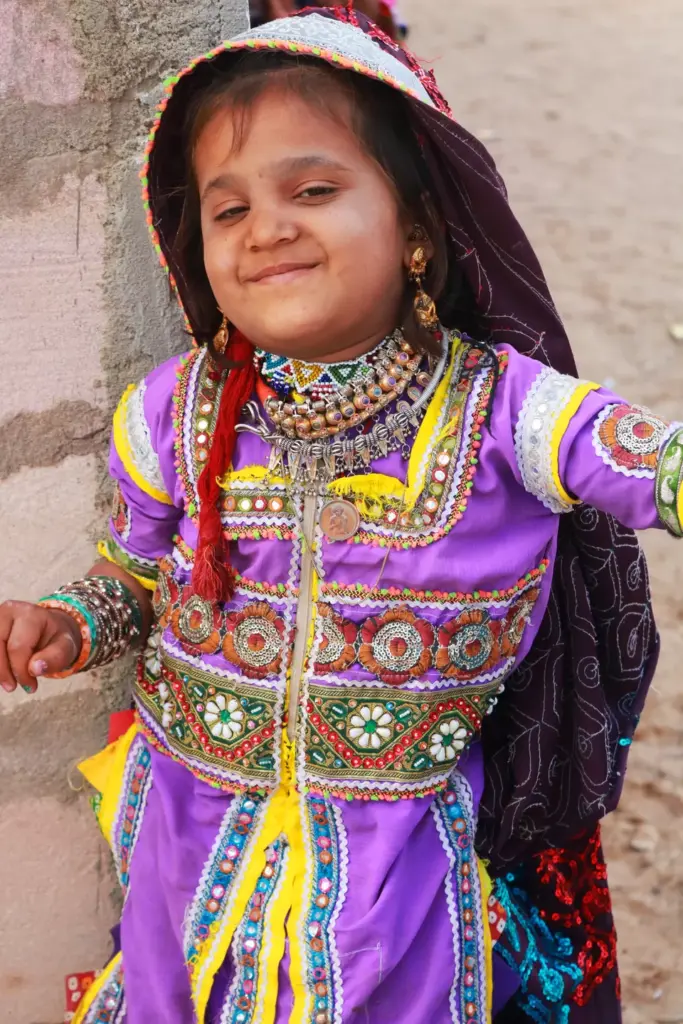
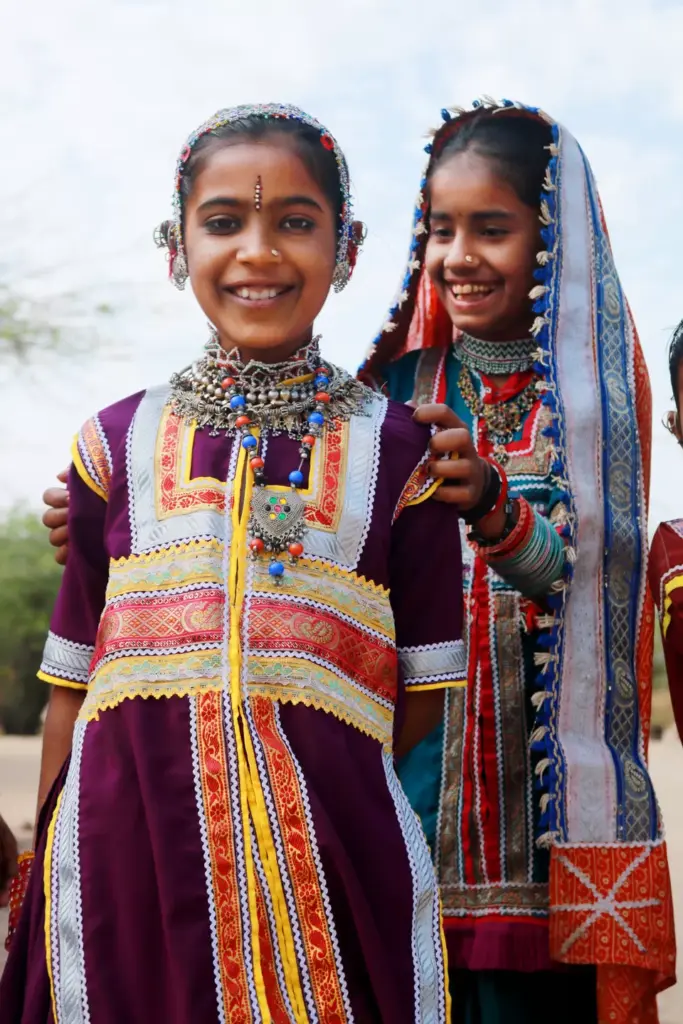
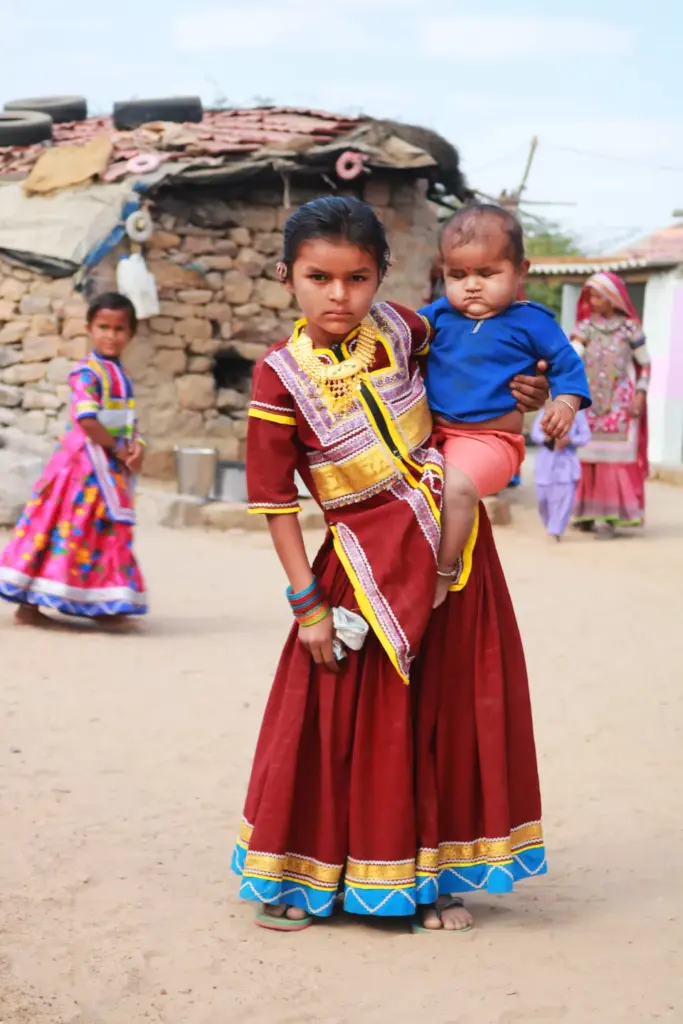
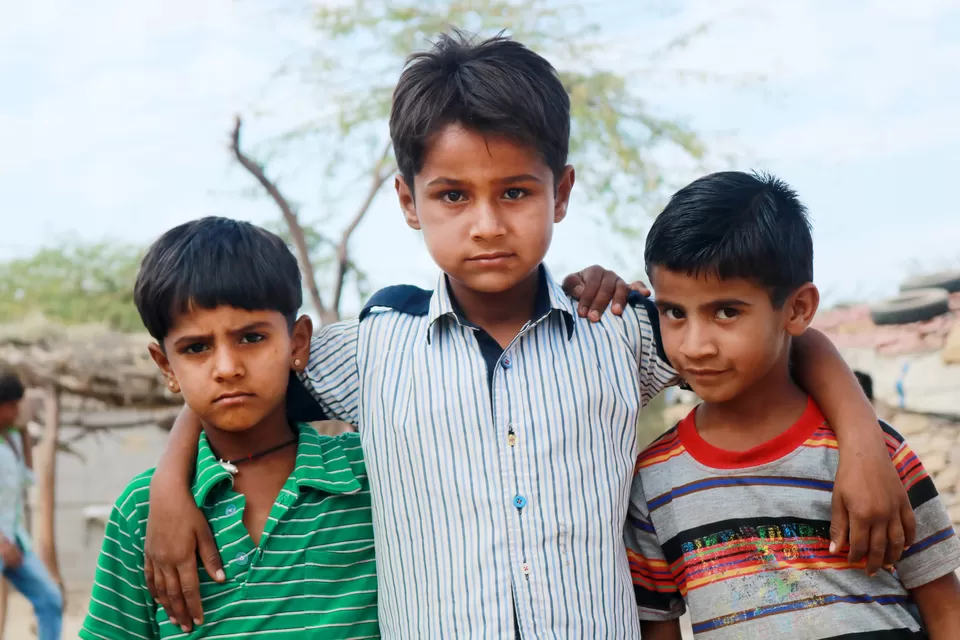
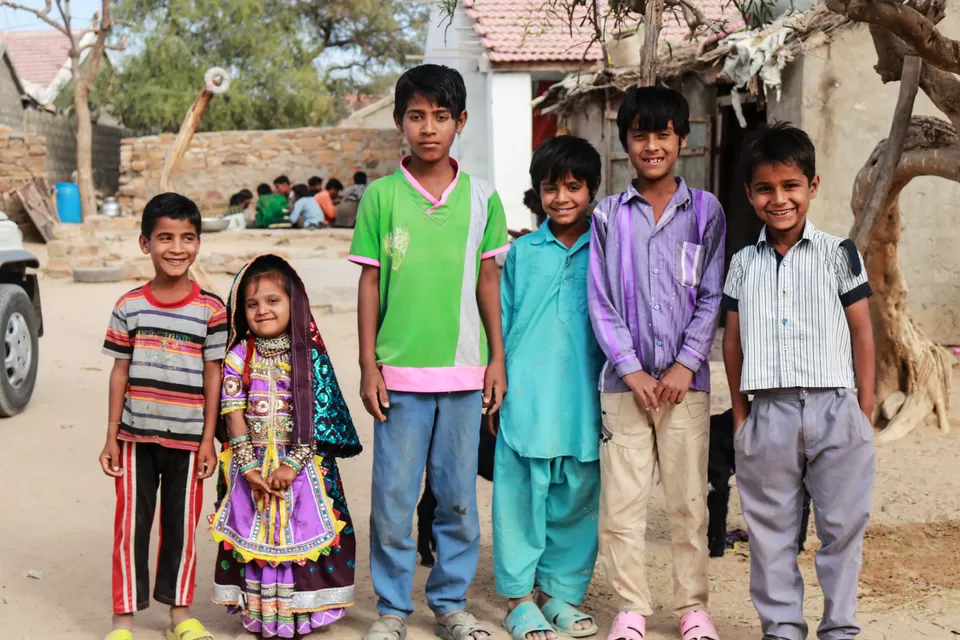
We ended up attending a village wedding and these little cuties couldn’t stop posing.
Mandvi Beach
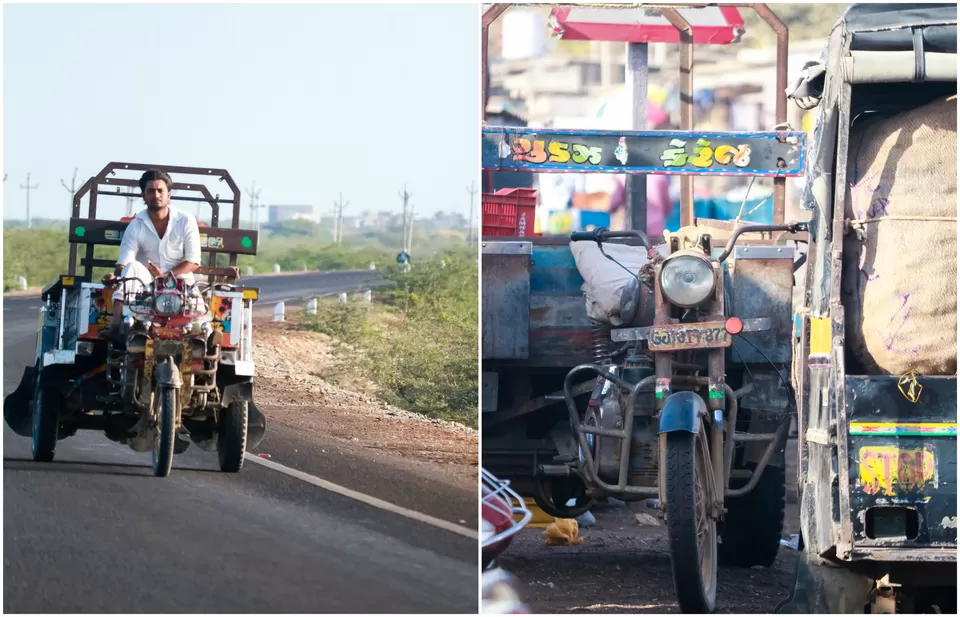
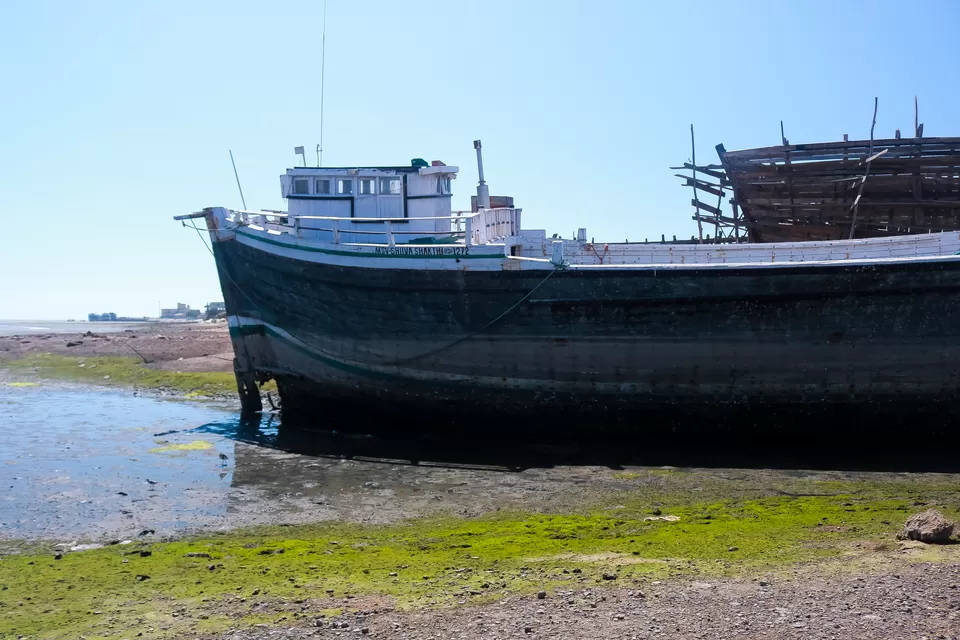
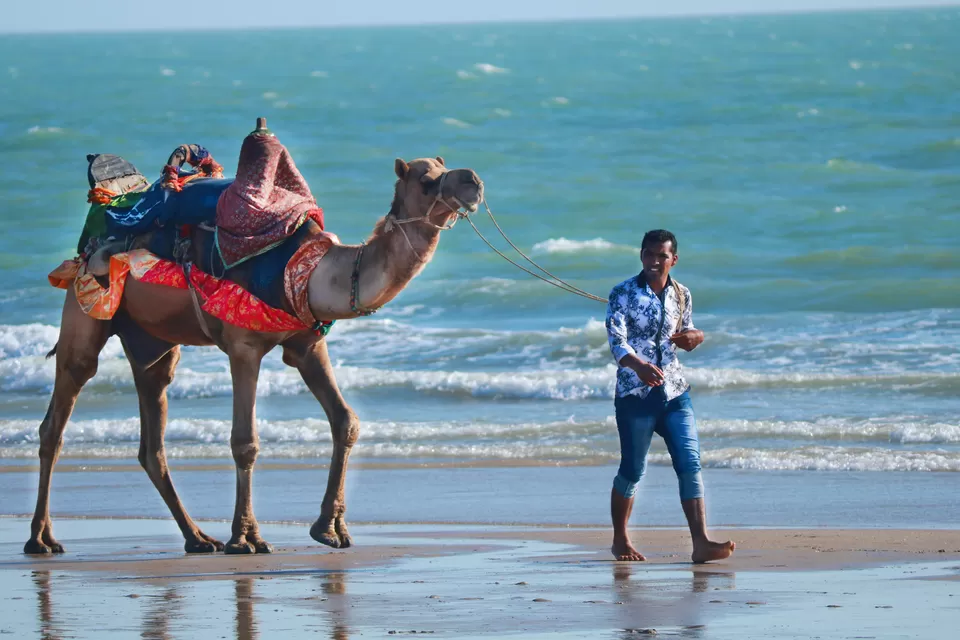
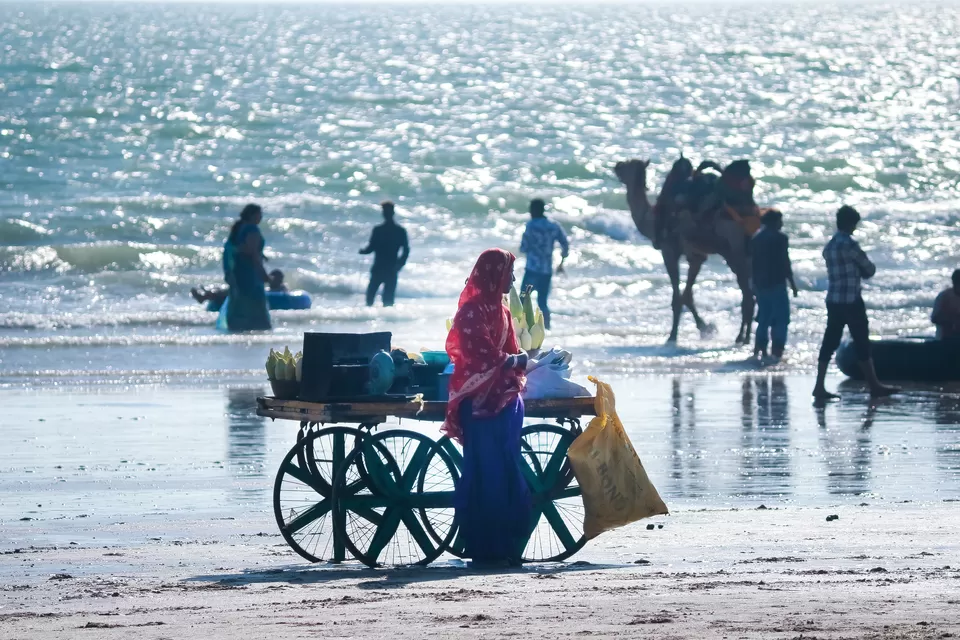
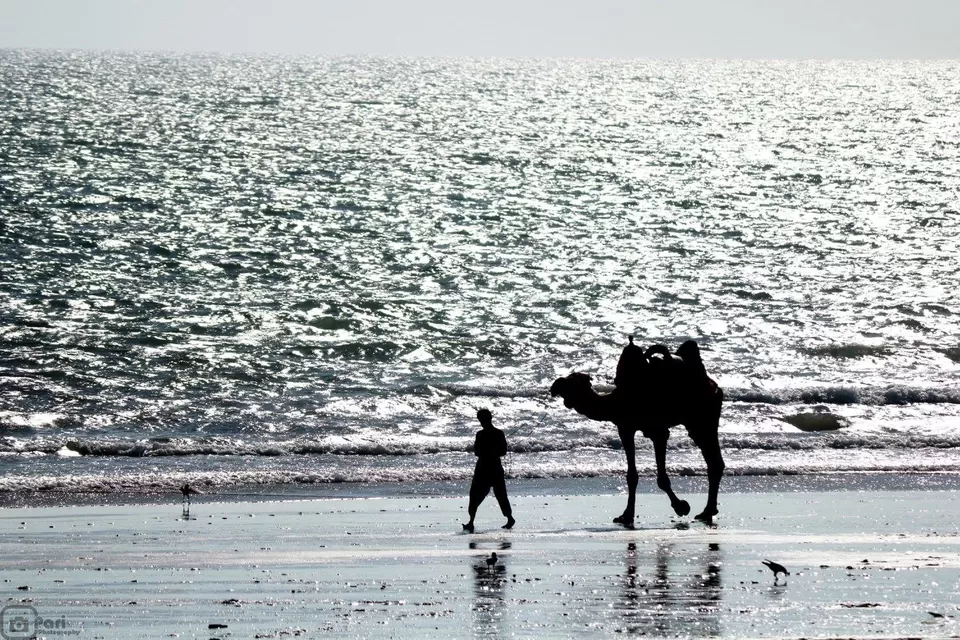
Mandavi is at a distance of around 60 kms from Bhuj. Tucked away along the coastline of Gujarat, Mandvi feels like one of the state’s best kept secrets. Far quieter than Gujarat’s more popular destinations, this laid back coastal town blends history, beaches, and old world charm in a way that instantly slows you down. Once an important port town of the Kutch region, Mandvi still carries echoes of its maritime past through its traditional wooden shipbuilding yards, where massive handcrafted ships continue to be built using age old techniques. The town is also home to the stunning Vijay Vilas Palace, a grand royal residence overlooking the Arabian Sea, with intricate architecture and sweeping views that feel frozen in time. But what truly makes Mandvi special is its atmosphere. Evenings here are simple and beautiful, camel carts moving along the beach, locals gathering by the shore, salty sea breeze in the air, and sunsets that paint the coastline gold. In a state known for its vibrant chaos and endless movement, Mandvi offers something rare, stillness. It is the kind of place you arrive at for a day and quietly wish you had discovered much earlier.
Day 5
Dwarka
We booked an overnight non A/C sleeper bus from Bhuj to Dwaraka which is at a distance of 400 kms.
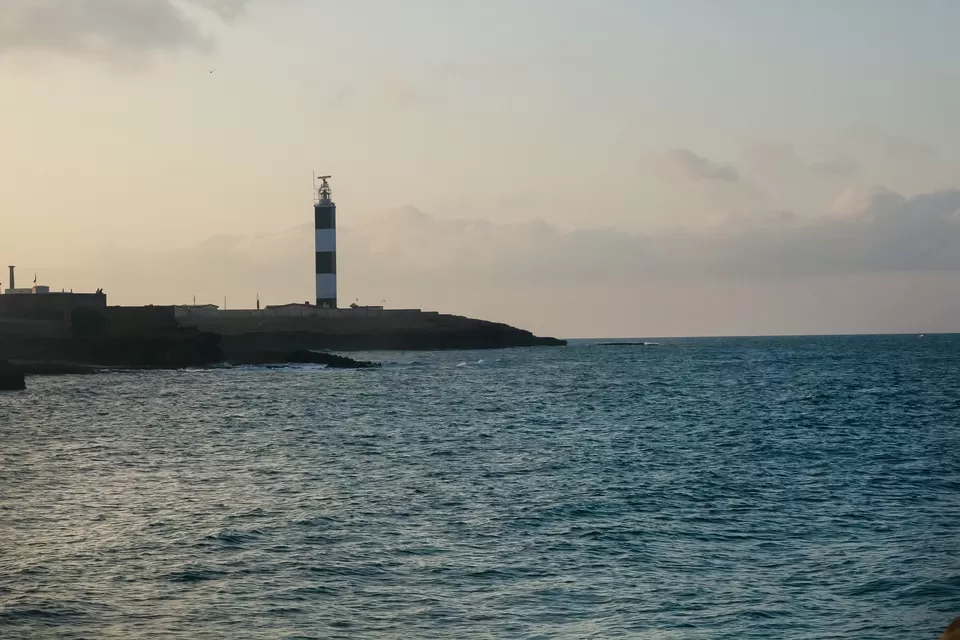
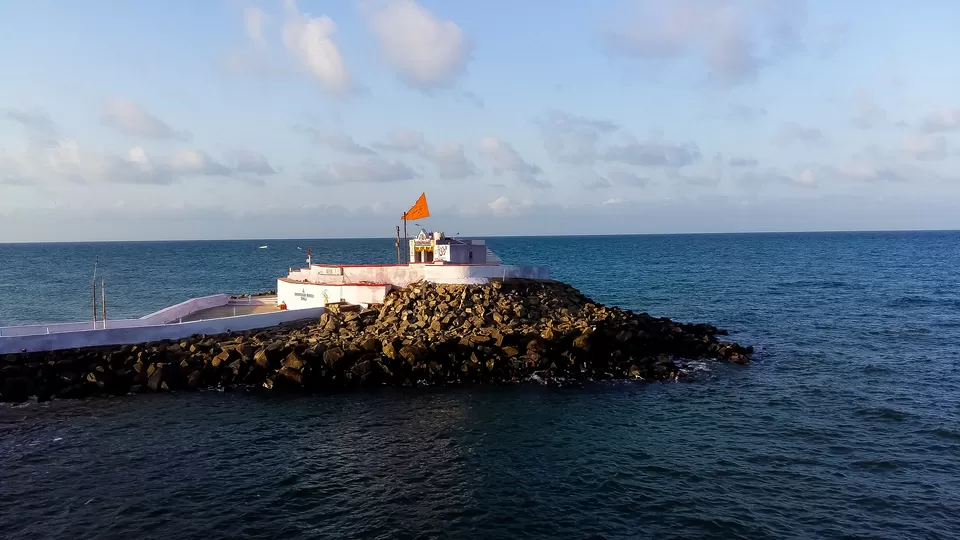
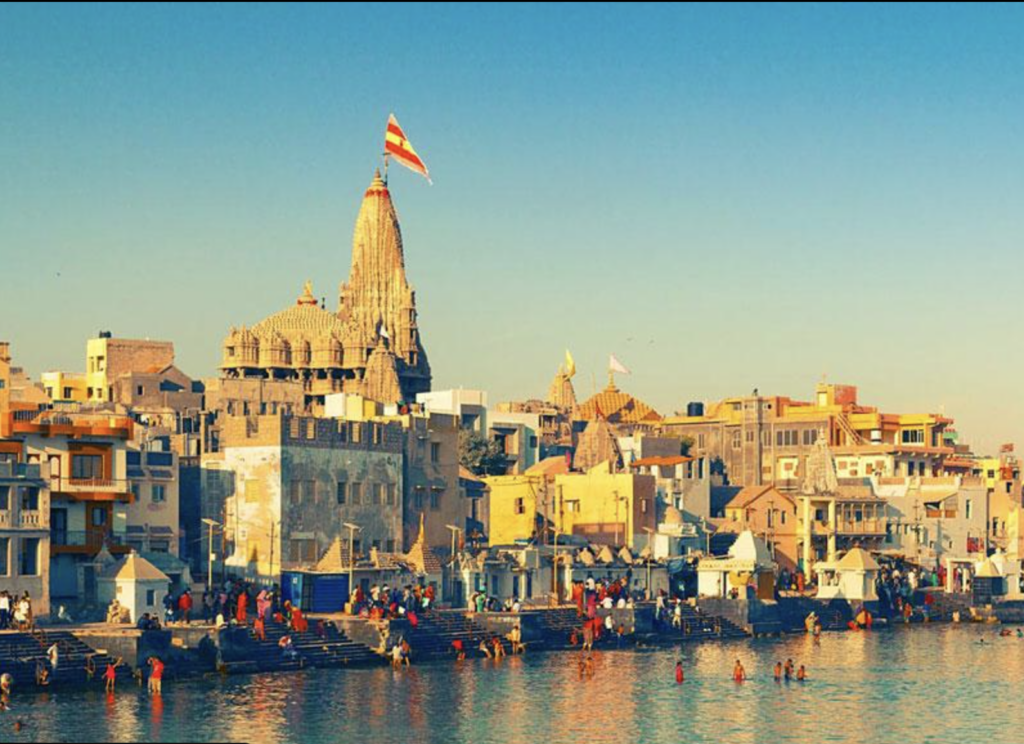
Dwarka is one of India’s oldest and most sacred cities, where mythology, faith, and the sea come together in a way that feels timeless. Believed to be the ancient kingdom of Krishna, Dwarka carries a spiritual energy that is impossible to ignore, whether you are religious or not. The towering Dwarkadhish Temple stands at the heart of the city, drawing pilgrims from across the country with its centuries old rituals, chants, and views overlooking the Arabian Sea. But beyond the temples and crowds, there is something calming about Dwarka, the sound of waves crashing against the ghats, seagulls circling overhead, and narrow streets filled with stories, devotion, and everyday life.
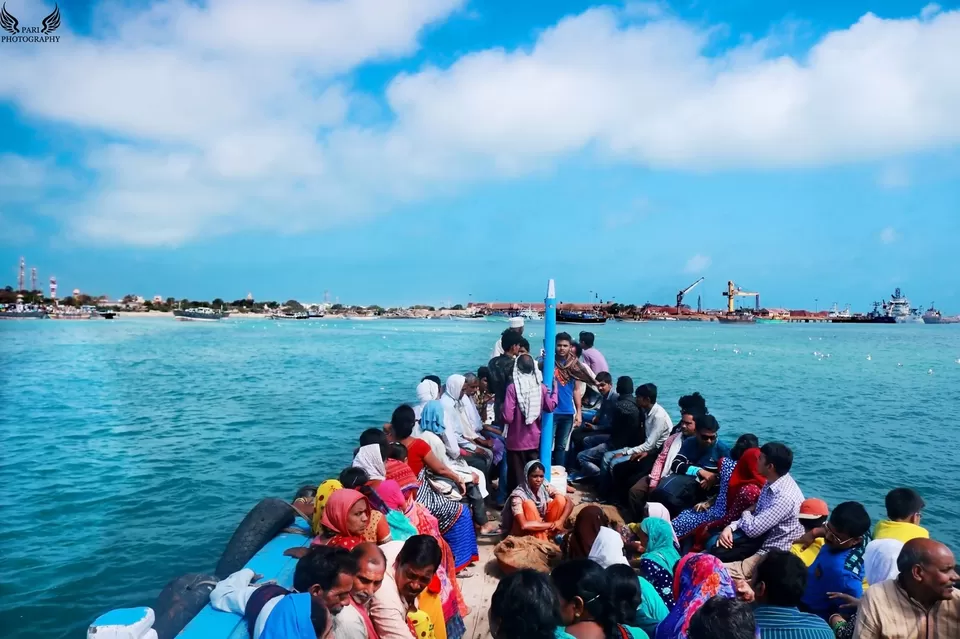
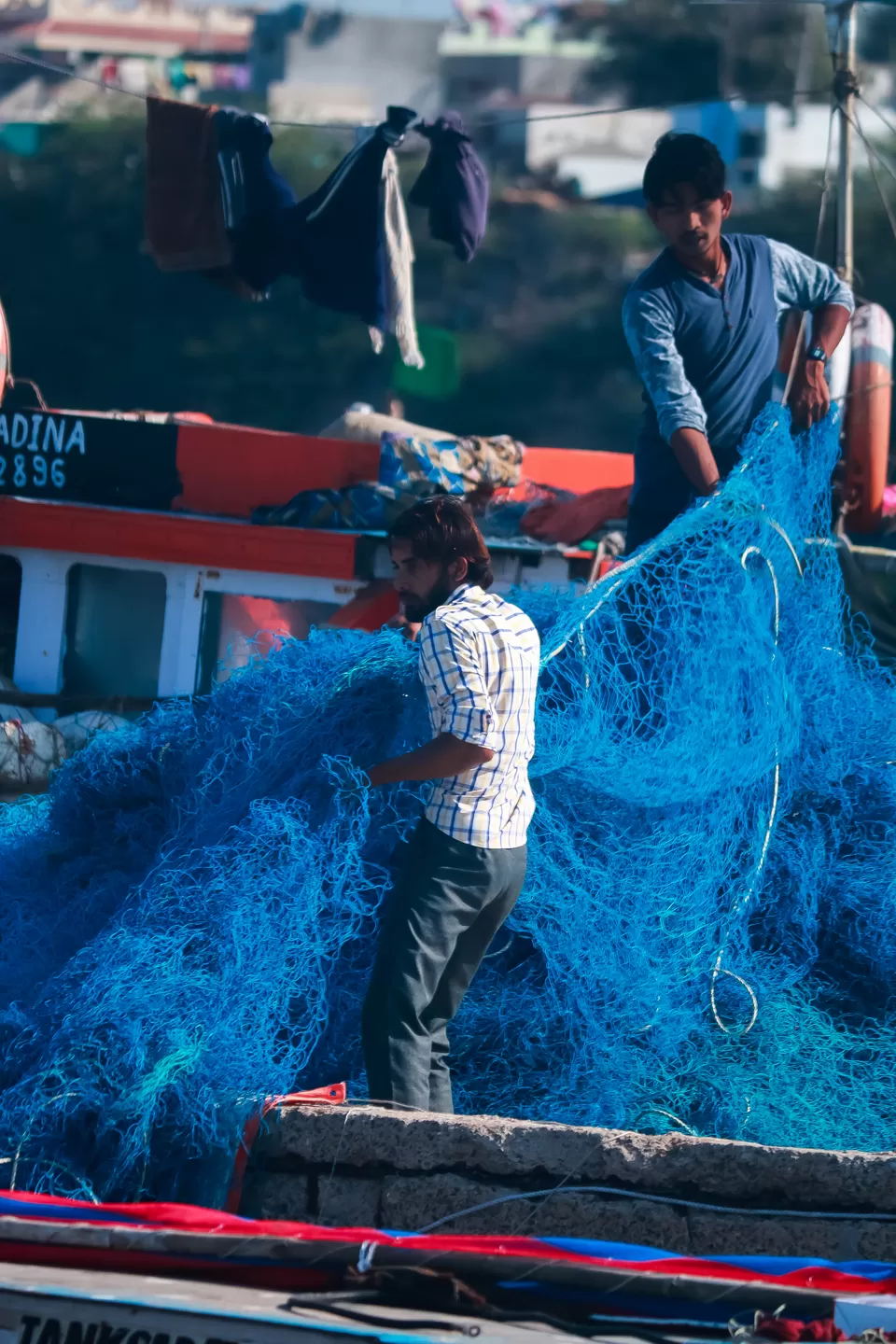
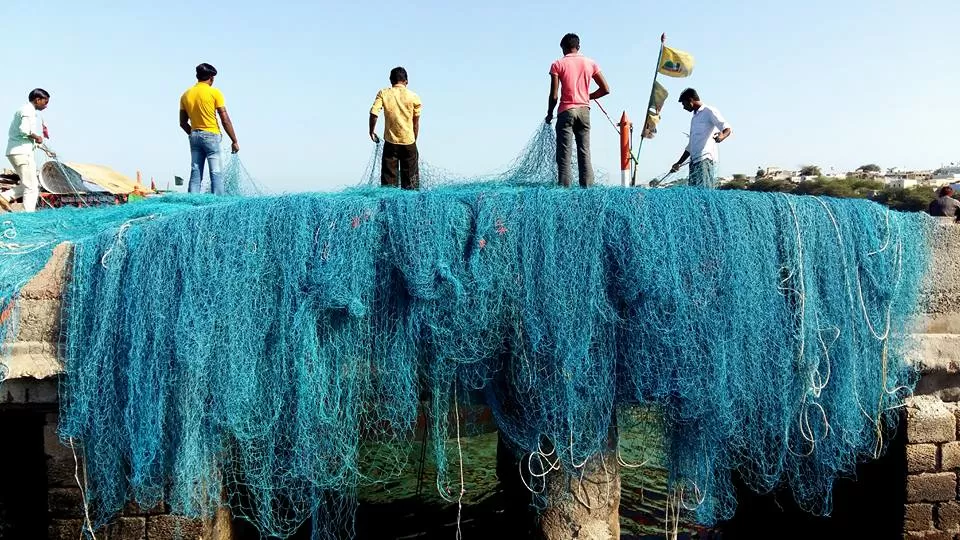
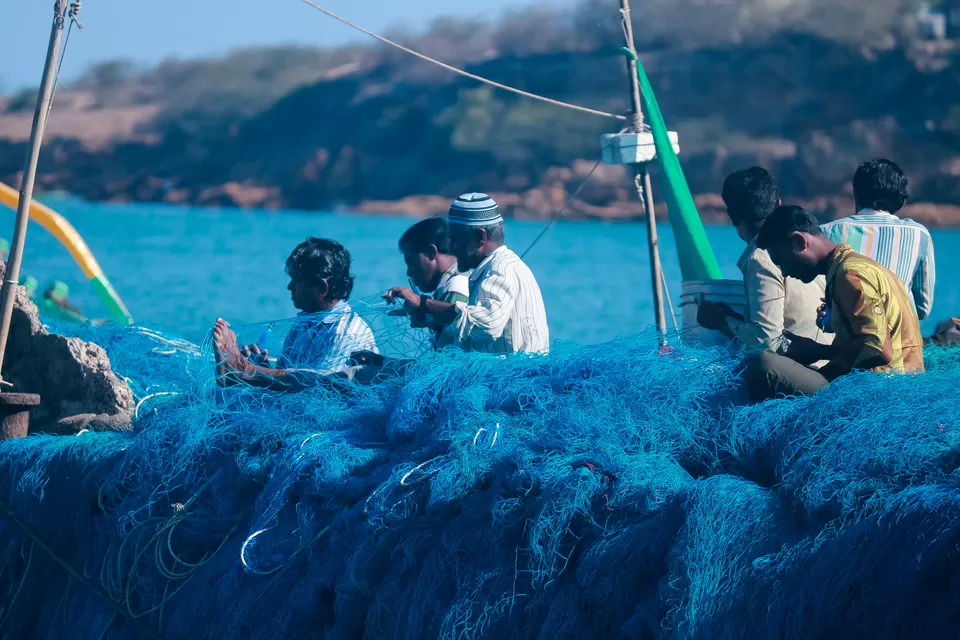
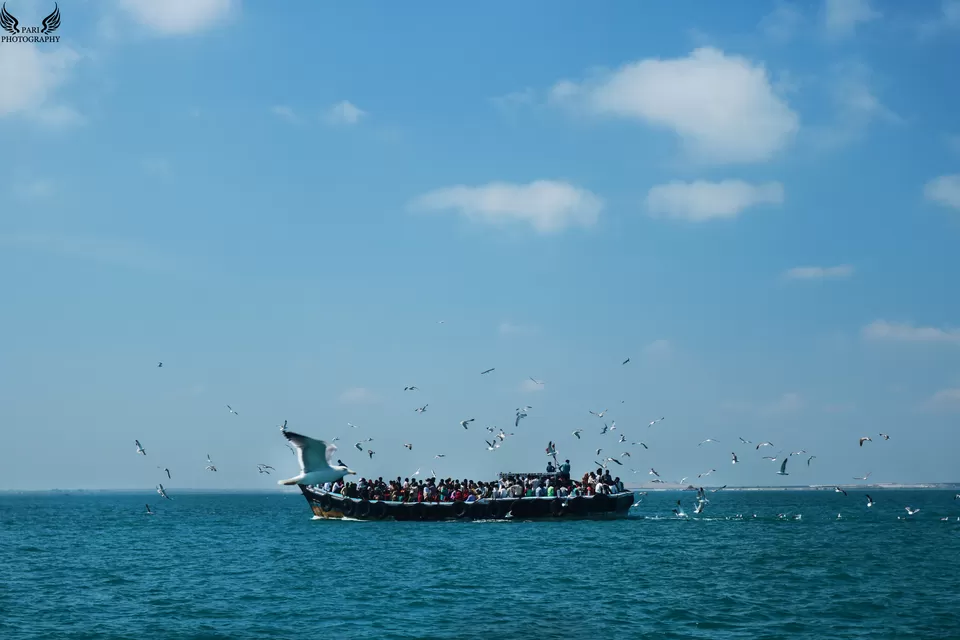
A short boat ride away lies Bet Dwarka, a small island believed to have once been the residence of Krishna himself. The journey to the island is as memorable as the destination, packed ferries cutting through the blue waters while pilgrims feed birds mid sail. Bet Dwarka feels quieter and more intimate than the mainland, with small temples, fishing communities, and peaceful coastal views adding to its charm. Together, Dwarka and Bet Dwarka are not just destinations you visit, they are places you feel, where mythology and reality blur into one endless story carried by the sea.
One can rent a room for 500 INR for the day. Dwarakadeesh temple, Dwaraka beach, Gomti ghat and Rukmini temple are some of the places to visit. Beyt Dwaraka is located around 30 km from the main town and is a small island. The island is enclosed by a few temples, white sand beach and coral reefs, marine life, sea excursions, camping and picnics. One has to board a ferry for 20 INR from Okha to reach the island.

Day 6
Porbandar
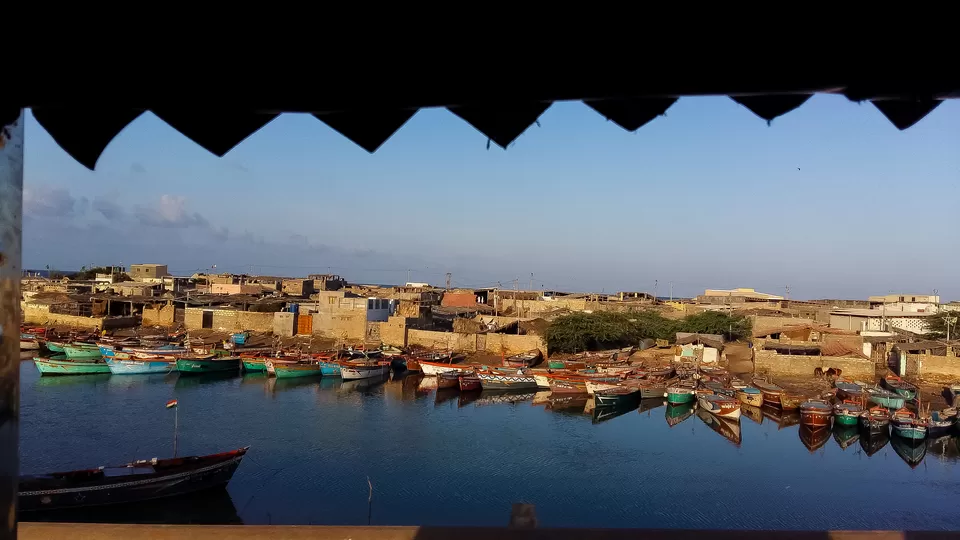
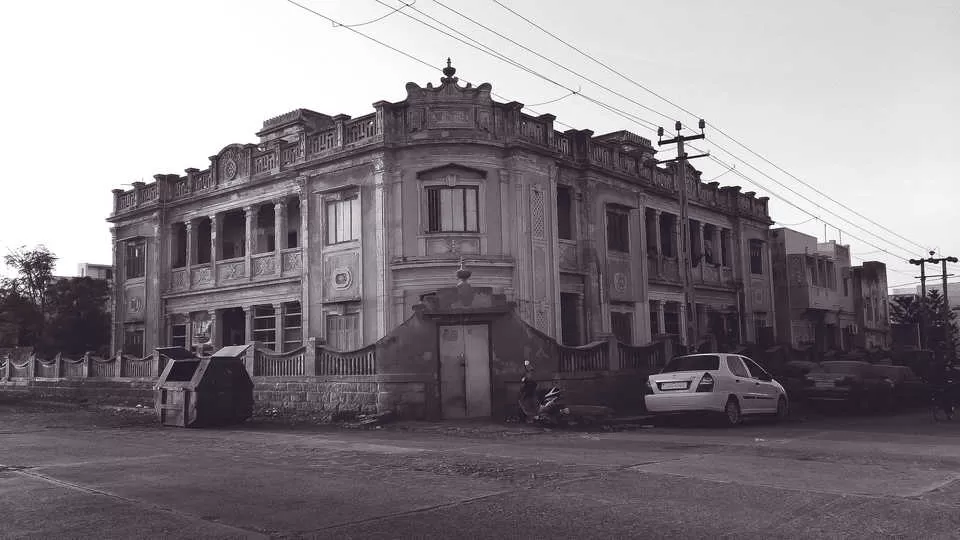
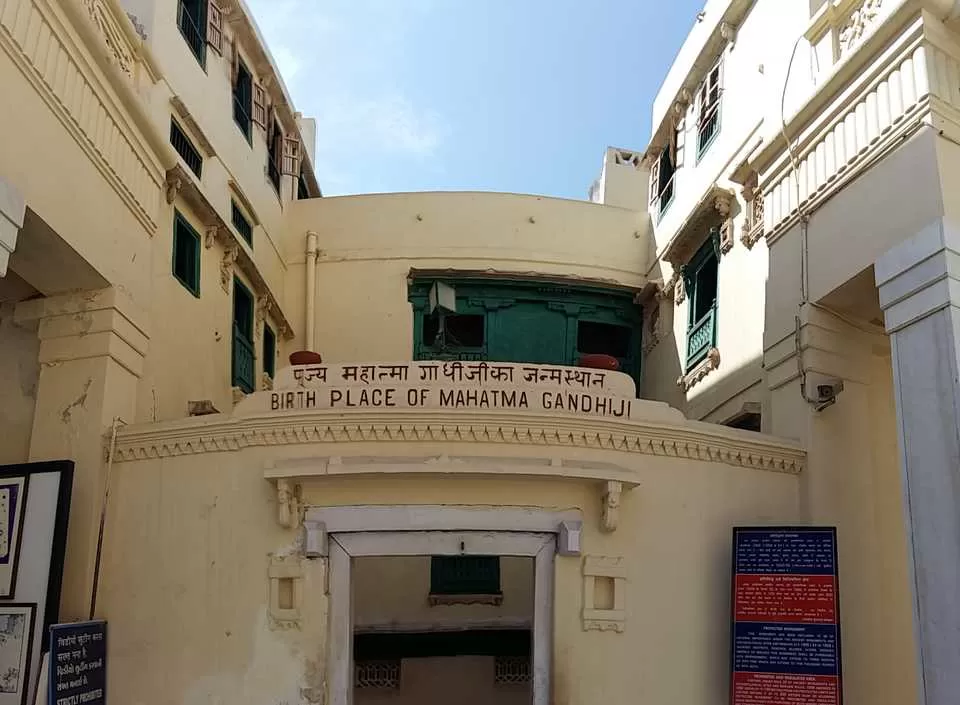
After spending the night in Dwaraka we headed to Porbandar the next morning, which is approximately 100 kms away. Porbandar is a quiet coastal city best known as the birthplace of Mahatma Gandhi, but beyond its historical significance, it carries a calm and understated charm of its own. Set along the Arabian Sea, Porbandar blends spirituality, history, and everyday coastal life in a way that feels authentic and unhurried. The city’s most important landmark is Kirti Mandir, the ancestral home of Gandhi, now preserved as a memorial that offers a glimpse into the early life of the man who would go on to shape India’s freedom movement. Outside of its history, Porbandar is filled with fishing harbours, old streets, temples, and seaside promenades where life moves at a slower pace. Unlike Gujarat’s louder and more touristy destinations, Porbandar feels grounded and real, a place where the sea breeze, local conversations, and layers of history quietly stays with you.
Somnath
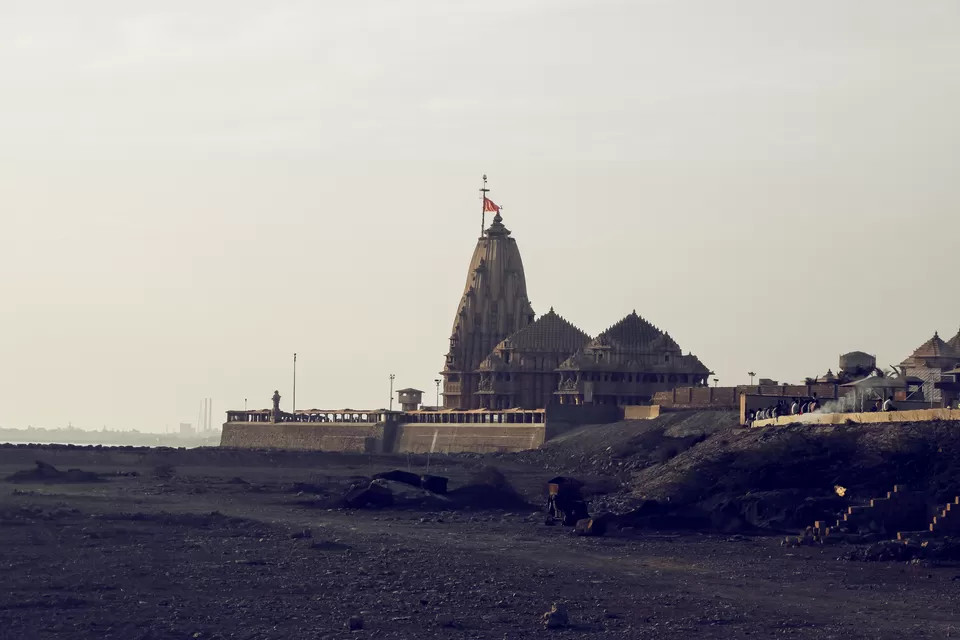
Porbandar to Somanath is 130 kms, a 2 hour journey that can be traversed by local bus or taxi. Somnath Temple stands on the western coast of Gujarat like a symbol of resilience against time itself. Overlooking the Arabian Sea, the temple is one of the most sacred pilgrimage sites in Hinduism and is believed to be the first among the twelve Jyotirlingas dedicated to Shiva. But what makes Somnath truly remarkable is not just its spirituality, it is its history. The temple has been destroyed and rebuilt multiple times over centuries due to invasions and conflict, yet it continues to stand tall, carrying generations of faith and perseverance within its walls. Visiting Somnath feels powerful even beyond religion. The sound of waves crashing behind the temple, the sea breeze flowing through the massive stone structure, and the sight of the temple glowing at sunset create an atmosphere that feels both peaceful and overwhelming.
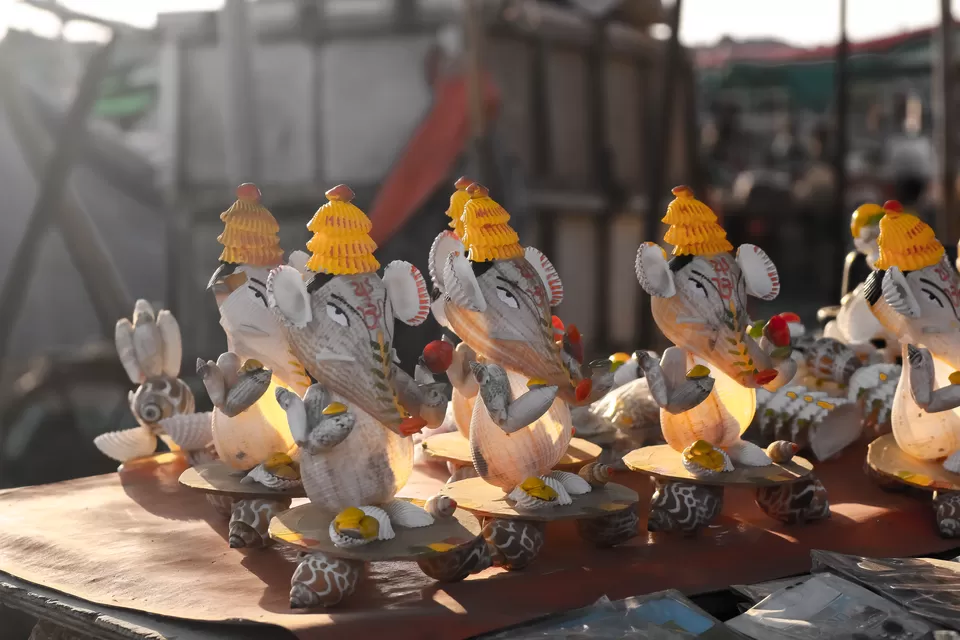
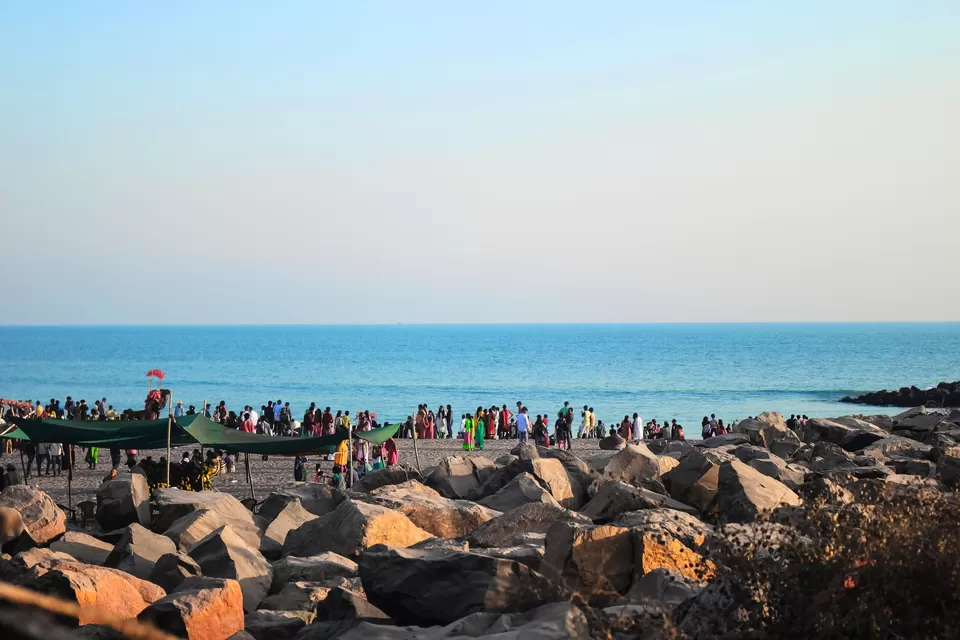
The lord Shiva temple was bursting with people from all over Gujarat on the occasion of Mahashivratri. Amidst all the security and hustle-bustle, we managed to find a spot at the beach. The temple is at the brim of the coast overlooking the ocean. There was a fair (mela) setup; chat stall, ice cream, camel rides and kites, it was like being a kid all over again. We decided to travel 410 kms overnight back to Ahmedabad . You can take the direct train or bus from Somnath.
Day 7
Adalaj
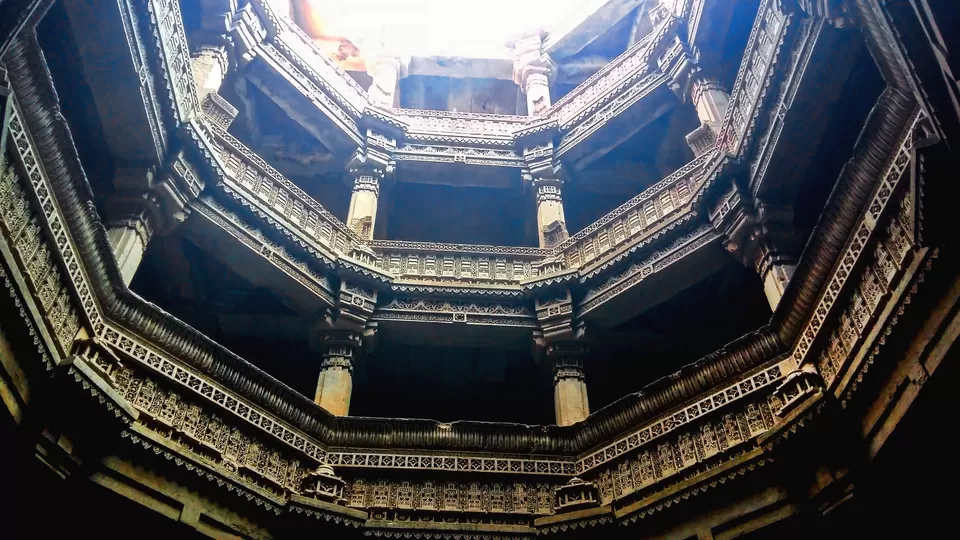
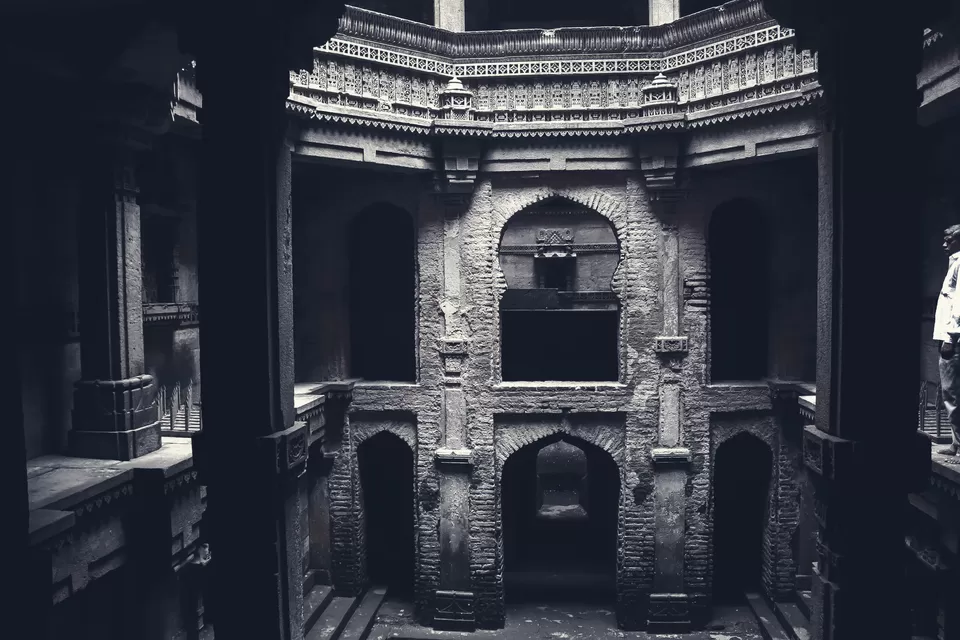
Checking-in to a hotel in Ahmedabad at dawn we were wondering what to do for the day. After some research we hired a taxi for 2500 INR to go to “Adalaj step well”, “Modhera Sun temple” and “Rani ki Vav”. Adalaj, which is 20kms from the center of Ahmedabad, is sheer architecture magnificence.
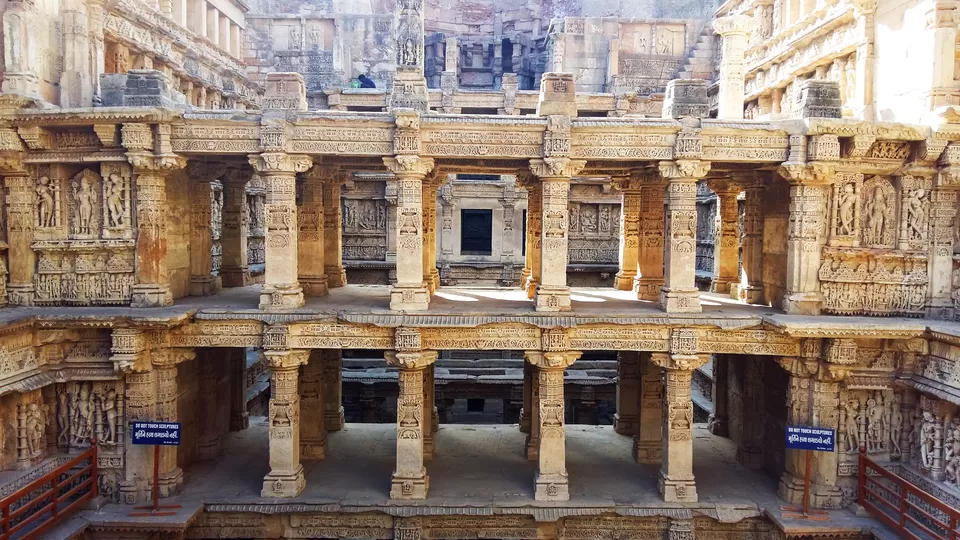
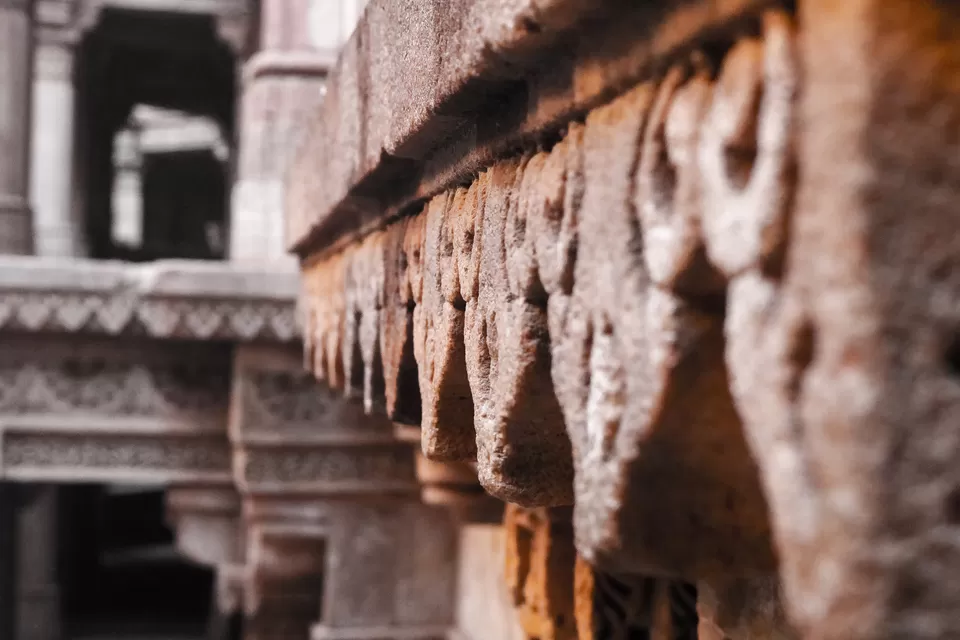
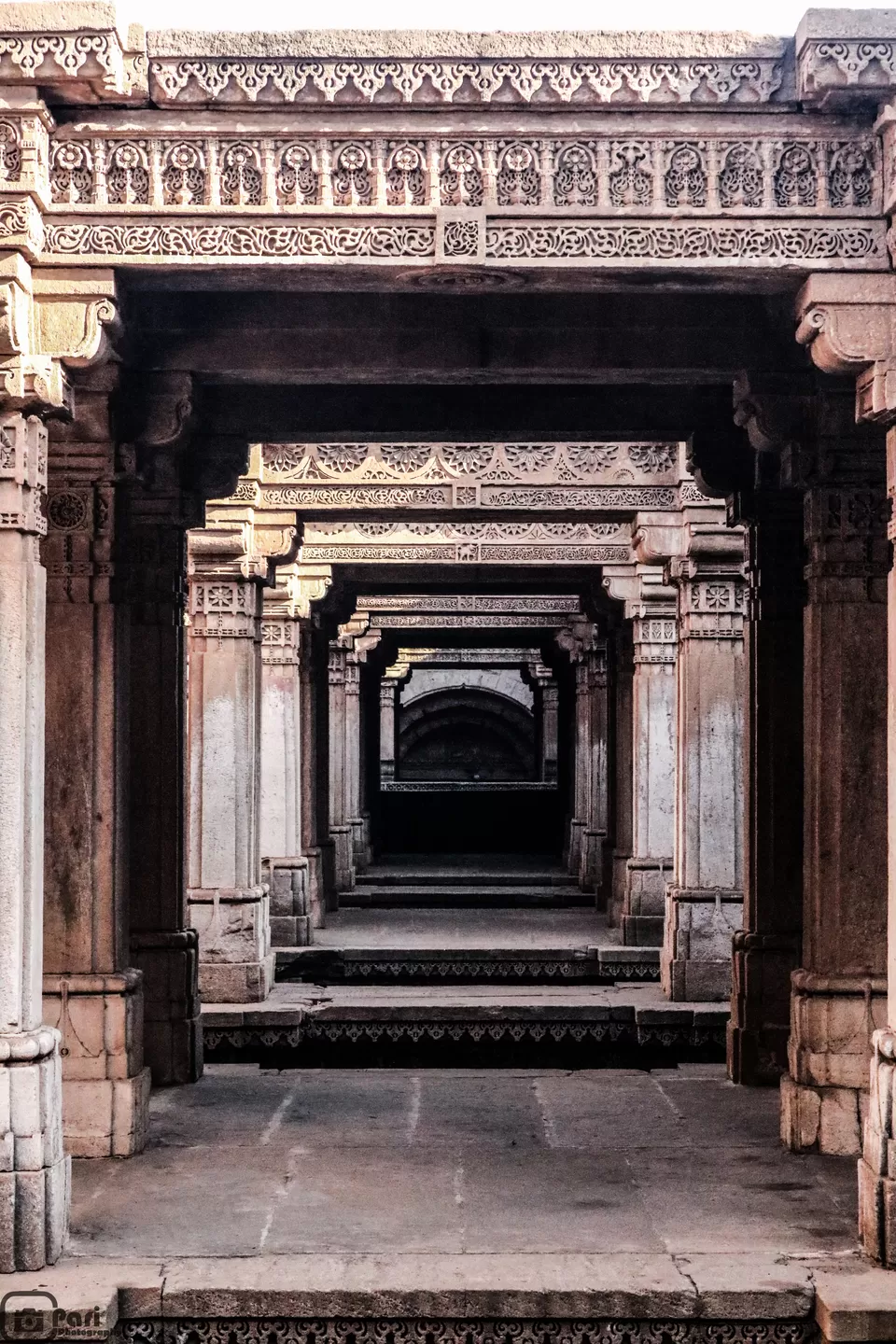
Adalaj ni Vav is one of those places in Gujarat that instantly makes you stop and stare in silence. Built in the 15th century, this intricately carved stepwell was once much more than just a source of water, it was a resting place for travelers, a social gathering space, and an escape from Gujarat’s intense heat. As you descend level by level into the structure, the temperature drops noticeably, and sunlight filters beautifully through the carved pillars and geometric openings above. Every wall, column, and corridor is covered in detailed stone carvings that blend Hindu, Jain, and Islamic architectural influences, telling stories through patterns, mythology, and craftsmanship that have survived for centuries. Standing at the bottom of the stepwell and looking upward at the layers of symmetry and light is one of those rare travel moments that feels both grounding and timeless.These step wells are built to cater water availability during all seasons in a year.
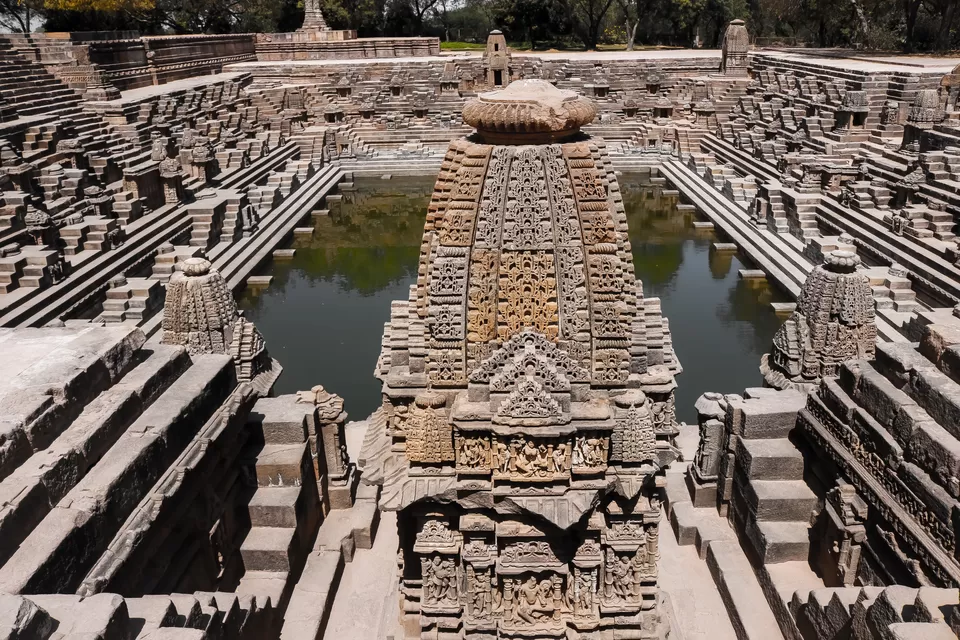
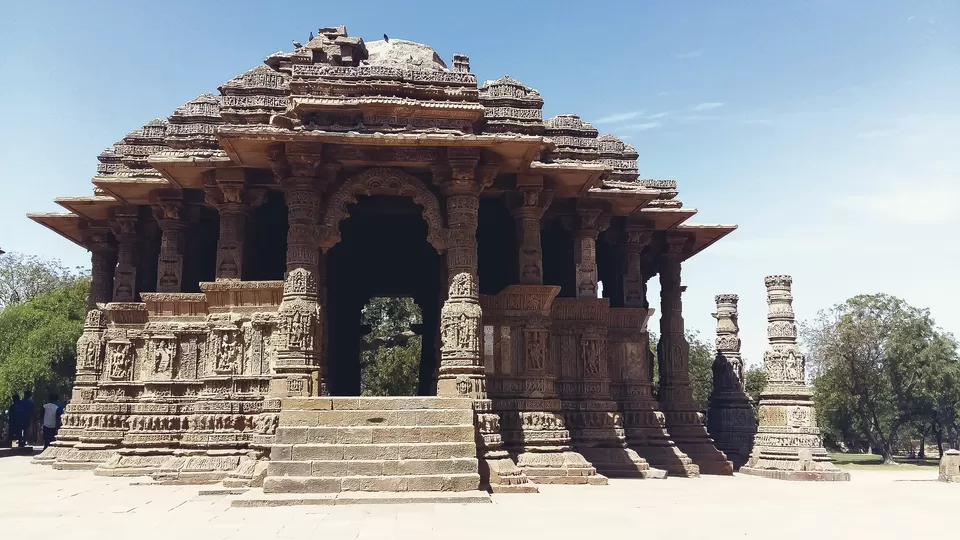
Next stop was Modhera Sun temple at a distance of ~80 kms. Modhera Sun Temple is one of Gujarat’s most extraordinary architectural treasures, dedicated to the Sun God. This shrine is designed in a manner that the first rays of the Sun are cast on the image of Lord Surya. Moving on to the last stop of the journey was Rani ki Vav, which is 35 kms away. The Queen’s step well bagged the title of “Cleanest Iconic Place” in India in 2016. Walking through Modhera feels less like visiting a monument and more like stepping into a forgotten chapter of India’s history carved entirely in stone.
As we reached the end of our 7 days journey we reached Ahmedabad late evening. After a last taste Gujarati cuisine, we bid adieu to this amazing state the next morning.
Cost
Flight from Bangalore (round-trip): ₹7,500
Bus from Ahmedabad – Bhuj – Dwaraka – Somnath – Ahmedabad: ₹500 each
Stay in Rann of Kutch: ₹4,000
Transport in Kutch: ₹2500
To and fro from Bhuj to Kutch:₹1400
Stay in each place: ₹600
Day trip from Ahmedabad to Adalaj, Sun temple and Rani ki Vav: ₹2500
Food: ₹3000
This trip has given me some everlasting memories and a new outlook at our history. My journey was only a quarter part of what Gujarat has to offer. Go on and make your mark.
Bon Voyage!