Himalyas are depleting and it is time we did something about it
Himalyas are depleting and it is time we did something about it
Thoughts by
Mouna Nanaiah
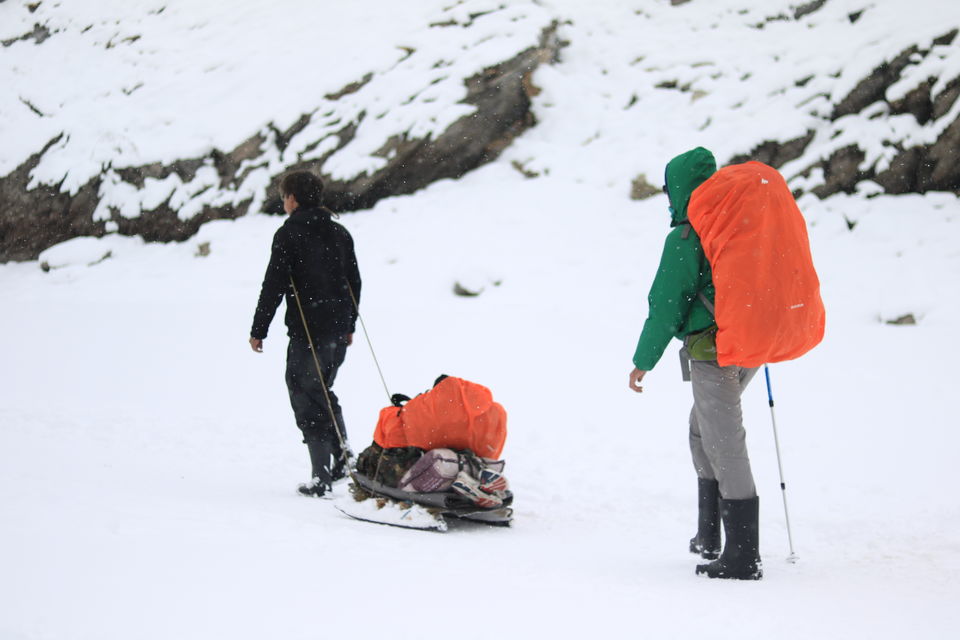
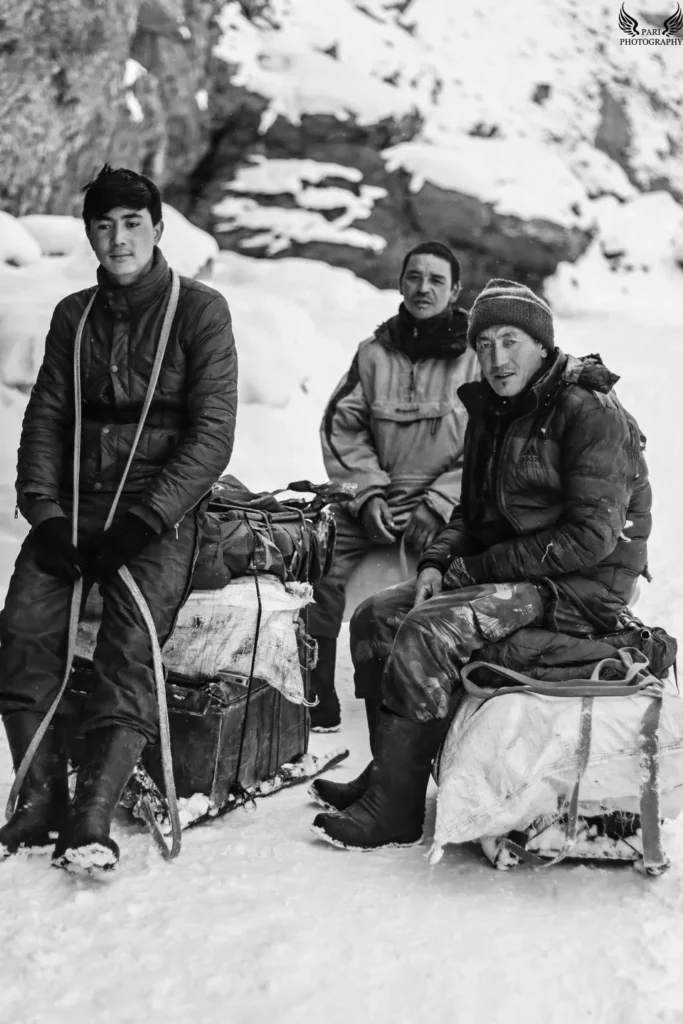
“CHADAR” : translated as blanket, refers to the thick ice formation on Zanskar river in the Leh region of North India. This frozen spectacle is on every trekkers bucket list and is the only trek in the world which is on a frozen river at 11000 ft, with a jaw-dropping temperature that goes as low as -30 degrees. The difficulties faced in such endeavors are all part of the adventure for us but this same stretch of frozen blanket serves the locals as their lifeline.
Winter struggle
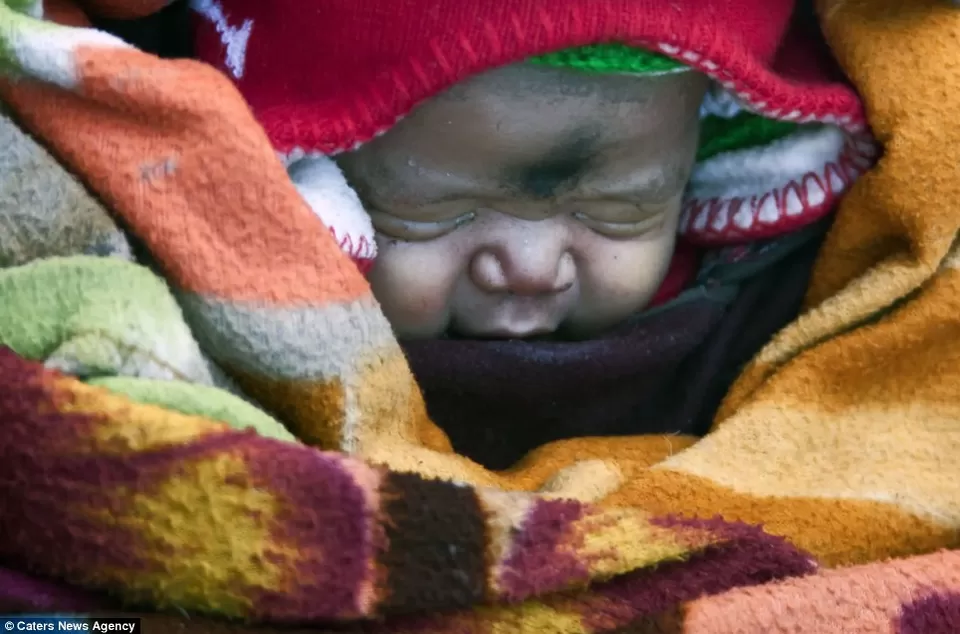
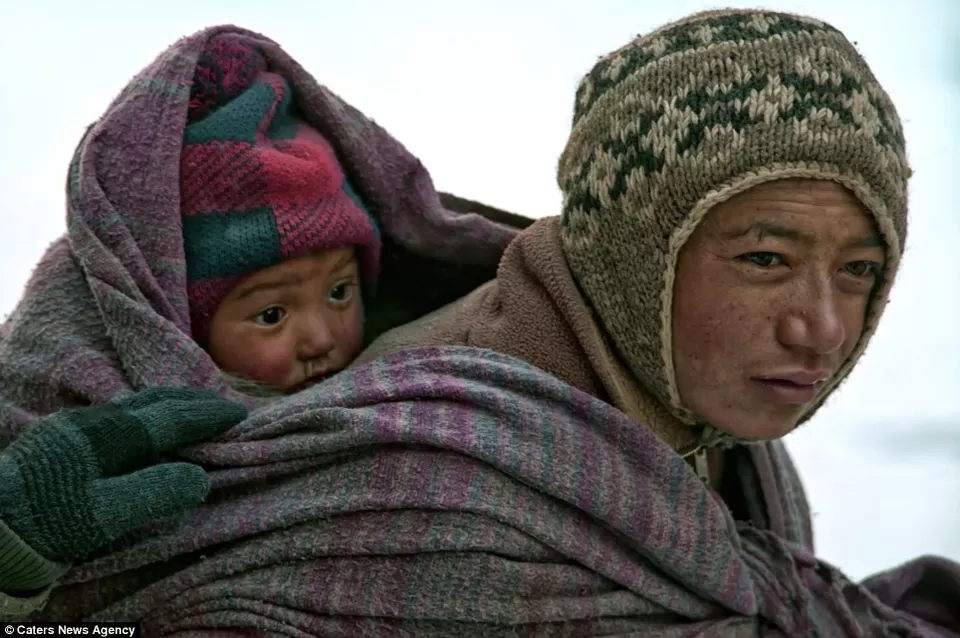
Recently I read this news about how a couple of trekkers encountered a family on Chadar, here is what happened: The family of four; 2 kids husband and wife were making their way back to the village. It is known that the roads are shut down during winter in Leh hence the locals are left with Zanskar as their only way in and out. They were on their way back from the hospital and she had just delivered her second baby. The couple with their first born trekked 70 kms to the hospital in Lingshed while she was 9 months pregnant to deliver the baby. This walk took them 9 days so they had to carry food, blanket and other provisions along. After the delivery they had to traverse the same path back with their new born.
Why should the melting glaciers and lack of rain bother us?
Drang Drung glacier melted 10 kms shorter in 2 years
1. Irresponsible Tourism
The Chadar Trek is no longer the remote, untouched experience it once was. With its growing popularity, nearly 300 people now enter the trail every single day including trekkers, porters, guides, and company crews. At one point during the trek, we stood waiting for almost three hours just to cross a narrow section because hundreds of people were trying to move through the same fragile route. What should have been a silent Himalayan experience often felt overcrowded and chaotic.
But the bigger tragedy lies in what is left behind. Plastic waste, discarded food packets, and even sanitary waste now surround campsites in one of the most ecologically sensitive regions in India. The Himalayas are being consumed faster than they can recover. People come looking for untouched beauty, yet many leave without understanding the damage they contribute to. Adventure tourism without responsibility is slowly turning these mountains into dumping grounds.
2. Connectivity and Government Neglect
The men and women of the Border Roads Organisation do an almost unbelievable job in these conditions. Whether it is landslides, blocked passes, or roads buried under snow, they work tirelessly in extreme weather to reconnect isolated regions. Their effort is often the only thing keeping the mountains accessible during harsh winters.
At the same time, the larger reality of infrastructure in the Himalayas tells a different story. The government had announced a road connecting Leh and Zanskar to reduce the suffering of locals who remain cut off for months during winter. Construction began with promises and deadlines, but years later the road remains incomplete. From Chilling onwards, the terrain is rough, broken, and abandoned in parts. The project that was expected to transform connectivity has slowed into another reminder of delayed action in regions that are only remembered when disaster strikes or tourism revenue rises.
3. Global Warming and the Dying Himalayas
The crisis facing the Himalayas goes far beyond the Chadar Trek. The mountains are warming year after year. Snowfall patterns are changing, glaciers are retreating, rivers are behaving unpredictably, and winters are no longer as stable as they once were. The frozen Zanskar River itself has become unreliable, with thinner ice sheets, sudden cracks, and sections melting away unexpectedly, making the route increasingly dangerous for both trekkers and locals.
Wildlife is paying the price too. Snow Leopard sightings in the region have reduced as these animals retreat further into higher, undisturbed valleys due to warming temperatures and increasing human activity. The Himalayas are not simply tourist destinations, they are living ecosystems under immense pressure. Yet every year, more roads, more crowds, more hotels, and more waste continue to enter spaces that are already struggling to survive.
The mountains are warning us in every possible way. The real question is whether we are willing to listen before the damage becomes irreversible.
Is there a Solution ? Should traveling to the mountains be Banned?
Probably not.
The Chadar Trek is more than just a tourist attraction. For centuries, it has been a lifeline for locals during harsh winters and today it continues to inspire travelers from around the world.
But can we travel more responsibly?
Absolutely! At this point, we no longer have a choice.
1. Responsible Tourism Must Become Mandatory
The biggest issue on the Chadar today is not tourism itself, but irresponsible tourism.
What needs to change:
Every trekking group must follow a strict carry in, carry out policy.
No plastic, food wrappers, bottles, or sanitary waste should be left behind.
Toilet pits dug near campsites are not sustainable in such a fragile ecosystem.
Trek operators should introduce:
Portable toilet systems
Waste disposal bags
Poo tubes or sealed containers for sanitary waste
Every expedition should leave the mountains cleaner than they found them.
The reality:
Today, campsites are littered with plastic and waste in one of the most ecologically sensitive regions in India. Sustainability cannot remain just a social media slogan or a “Green Initiative” banner.
2. Limit the Number of Trekkers
The Himalayas are not built for mass tourism.
Introduce a strict daily cap on permits.
Regulate trekking/travel companies more aggressively.
Conduct environmental audits regularly.
Penalize littering and irresponsible operators.
Adventure should not come at the cost of destroying the very place people travel to experience.
3. Infrastructure for Locals Must Be Prioritized
The proposed road connecting Leh and Zanskar cannot remain an unfinished promise.
Entire villages remain cut off.
Access to hospitals and emergency medical care becomes extremely difficult.
Basic supplies depend on dangerous routes across frozen rivers.
What needs to happen:
The road project must be completed urgently.
Infrastructure development should prioritize local communities over tourism revenue.
Emergency winter connectivity systems must improve.
4. Climate Change Is Already Here
The Himalayas are warming faster every year.
Visible impacts:
Unpredictable snowfall
Thinner ice sheets
Cracking and melting Chadar routes
Retreating glaciers
Wildlife moving deeper into remote valleys
Even Snow Leopard sightings have reduced as human activity and changing temperatures push them away from their natural habitat.
Personal experience:
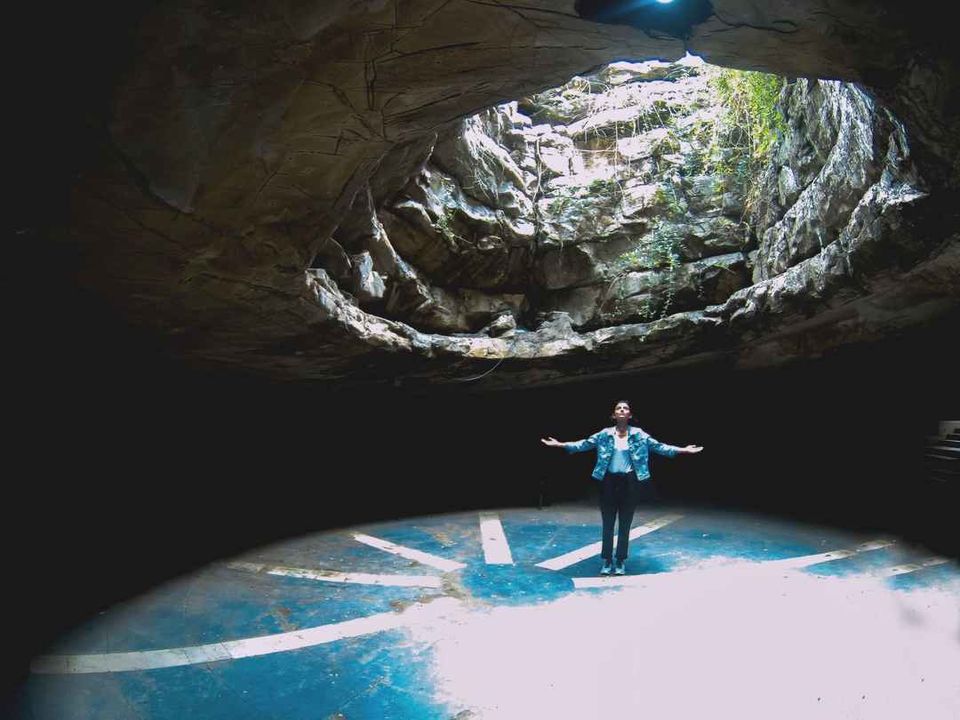
When I attempted this trek a year ago, we could not reach the frozen waterfall at Nerak because 48 hours of continuous snowfall weakened the ice completely. At one point, we had to outrun melting sections of the Chadar and spend the night inside a cave for shelter.
It makes for an incredible story today, but standing there in those conditions, walking 65 kilometres on foot, I could not stop thinking about the locals who depend on this route every winter just to access basic necessities.
More mindful travelers
Better systems
Stronger regulations
Faster government action
Greater respect for fragile ecosystems
The mountains are warning us already. The question is whether we will listen before the damage becomes irreversible.