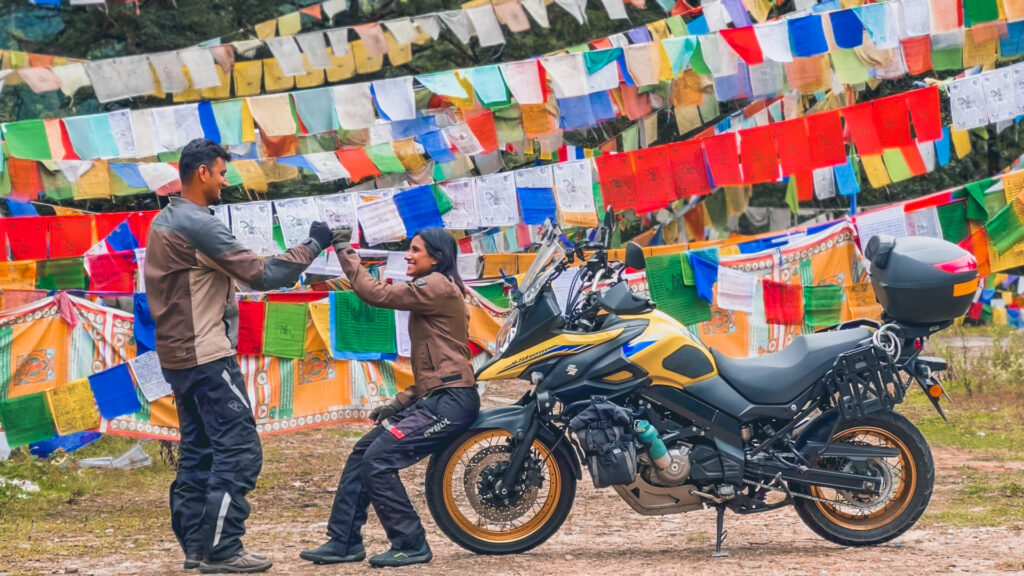
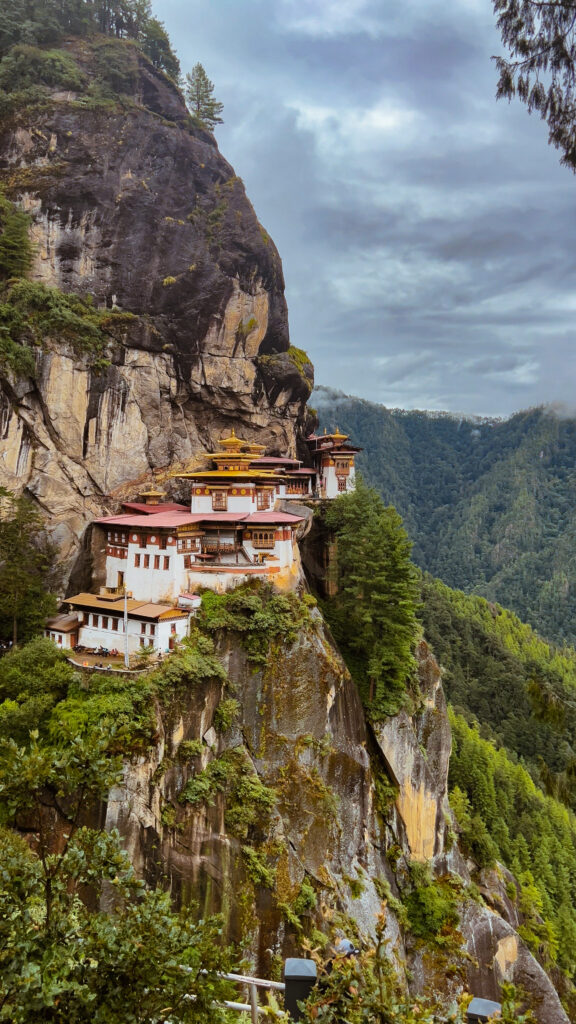
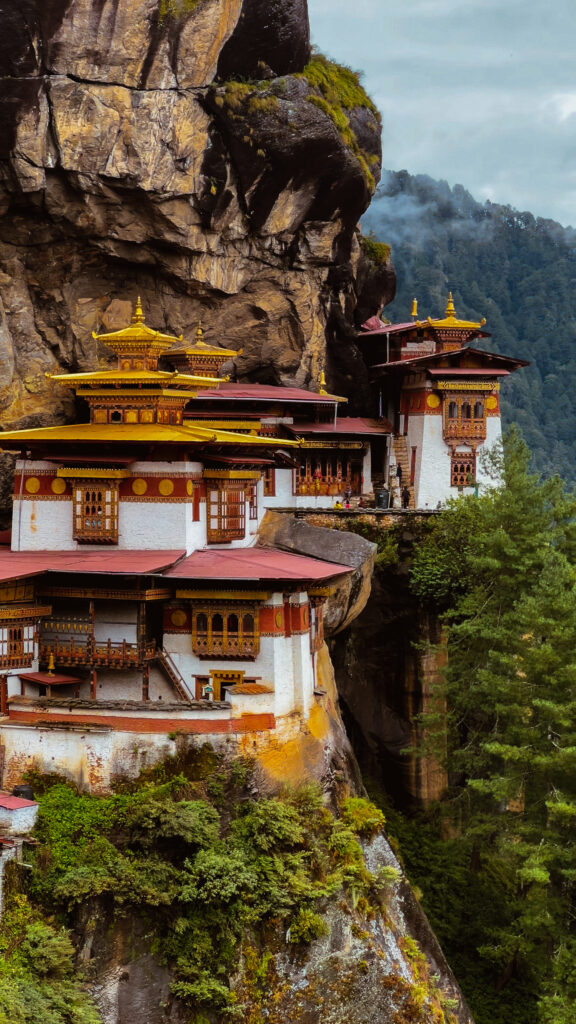
The magnificent picture of a monastery on a hill is not new to the world. This image has brought more travellers to this country, popularly known as “Land of The Dragon”. Bhutan; the happiest country in the world is the best country to visit for numerous reasons. Of all the experiences that Bhutan has to offer, riding that thumping two-wheeler on the curves of the Himalayas is hands down one of the best things to do.
Riding in Bhutan is much easier, courtesy their amazing roads. Starting from the tea estates of Siliguri to the valleys of Phobjikha, every bit of the road is enjoyable. Passing through the monasteries of Paro, Big Buddha in Thimphu and river crossings in Punakha, this ride is one that you will remember forever. Scroll down to catch glimpses of the journey and know about the itinerary and permits.
“In Bhutan, success is measured not by wealth, but by well being.”
Permits
You need a permit to enter Bhutan, but the good news? It’s pretty straightforward.
You can apply for it online before your trip through Bhutan Immigration Department website, or just get it done when you arrive at the border. If you’re booking through a hotel or a tour operator, they’ll usually take care of this for you, one less thing to worry about.
Now, if you’re like me and prefer a little flexibility, you can absolutely apply at the point of entry (most commonly Phuentsholing). Just be prepared, during peak times, the wait can stretch a bit. Phuentsholing Immigration Office (most common land entry point) Paro International Airport (if flying). Carry photocopies of documents, fill entry form + biometric capture.
- Mandatory Documents
- Valid Indian Passport (recommended) or
Original Voter ID card (EPIC) (physical card is must) - Passport-size photographs (keep 2–4 copies handy)
- Birth certificate (for minors without passport)
- Apply online for visa via
- https://immi.gov.bt/home/
- Sustainable Development Fee (SDF)
₹1200 per person per night (subject to change)
Payable during permit process or online - Guide charge 2500 – 3500 per day
- Hotel bookings for the entire stay mandatory
- Show a basic travel itinerary
- Internal Travel Permit (if going beyond Thimphu & Paro)
Required for places like: Punakha
Bumthang - Guide is a must
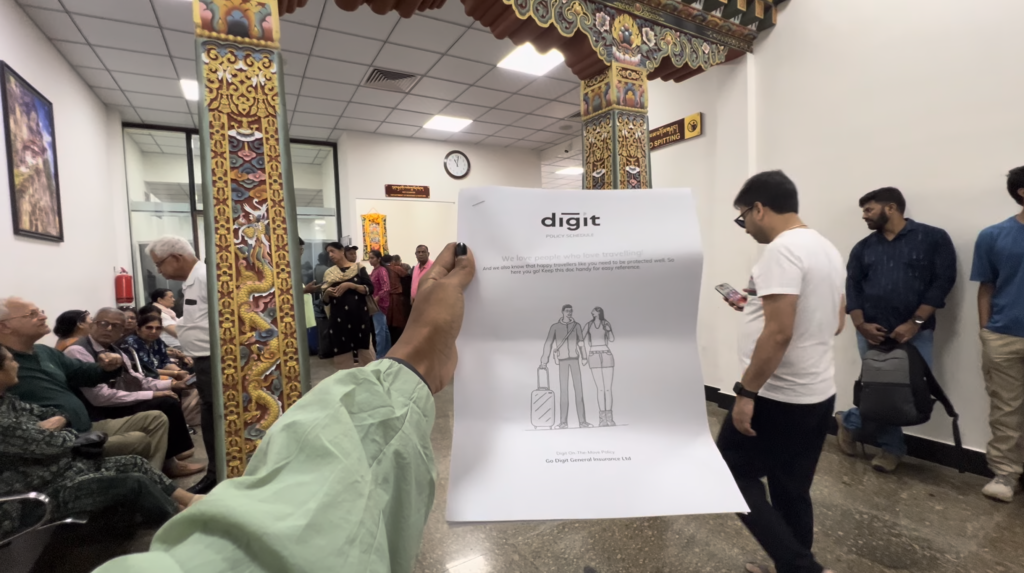
- Travel insurance is a must
At every checkpoint, one should stop and get a stamp of clearance. This will be checked on your return at the final checkpoint.
Motorbike Permit
- Mandatory documents
- RC, Vehicle insurance, Emission certificate, Visa, SDF receipt copy, Authorisation letter (if vehicle is rented)
- Indian vehicle permit 4500/- per vehicle per day
- Valid Indian Driving License
- No International Driving Permit needed
- Rent Bhutan vehicles to avoid paying vehicle charge per day
- If you are in car, guide will be with you
- If you are in bike, you will have to rent a car for the guide as well as guide is mandatory
Take these documents and go to the transport office in Phuentsholing. The officer there will first interview you, and ask questions about riding and road safety. Next they will inspect your vehicle, exhaust and then sign the documents if they are satisfied.
Kindly be patient and go through the process. At the end of the day we are guest in their country.
Bike rentals:
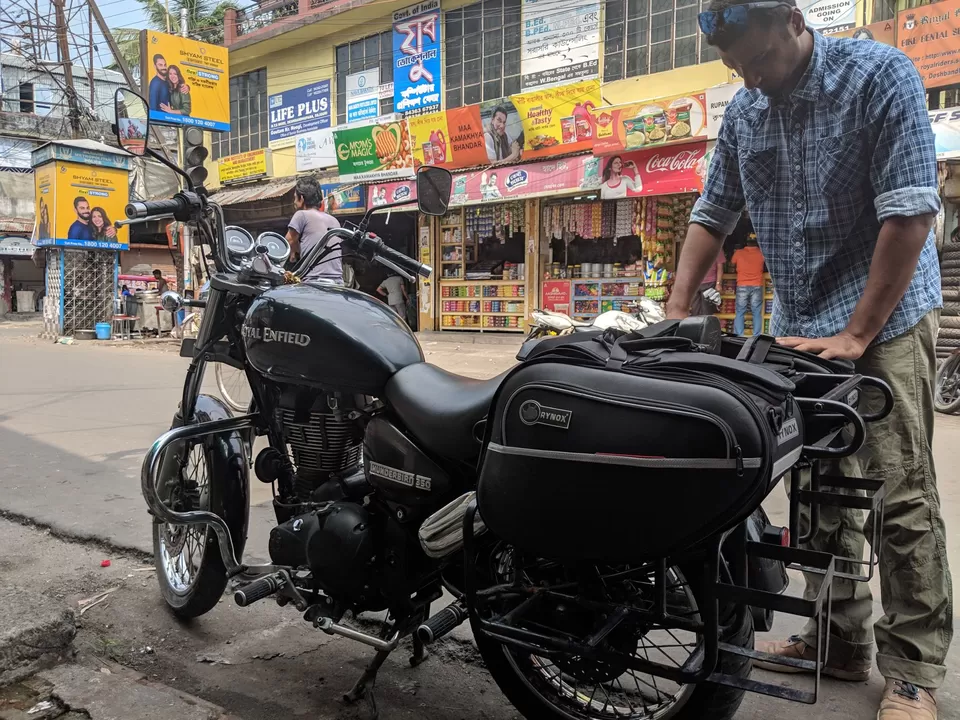
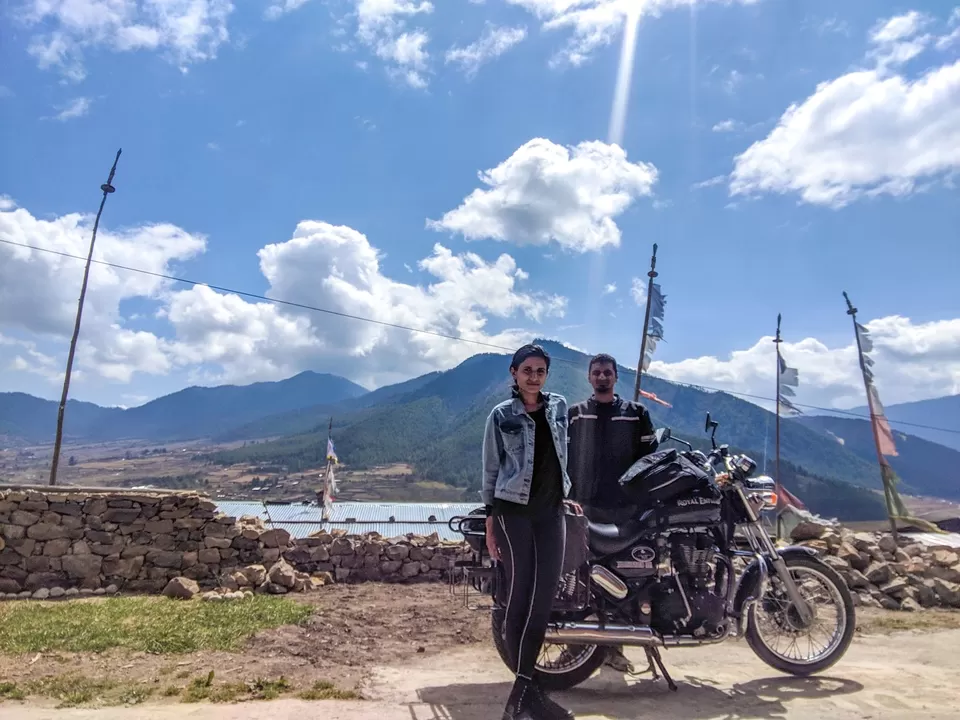
Renting a bike has become easier than ever with the bloom of many online platforms. You can choose one of the vendors or can go to the rentals directly. A good Thunderbird 350 from “Royal Riders” will cost you Rs 1,100 per day.
Ensure you have an extra clutch cable, brake shoe and puncture kit. Carry floats or butt cushions, knee guards, a good jacket, gloves and off-course solid helmets for the rider and the pillion. All of the above can be rented as well.
Travel tips:
- Bhutan is half an hour ahead of IST, set your watch accordingly.
- Indians are allowed in and out of Bhutan via Bhutan gate after 6.00 am and should return by 9.00 pm if you are staying in Jaigaon on the Indian side of the border.
- Alternately you can also stay in Phuentsholing, on the Bhutan side of the Border without permit for 1 night.
- Google maps will not help you much for commute within the city, asking the locals is the best way.
- There are no road dividers, no one honks your ear off and very few traffic cops around. Learn and respect their traffic rules.
- While crossing the roads use zebra crossings only. You will be surprised at the immaculate rule following.
- Adhar/PAN is no longer valid hence carry your voter ID or passport.
- Immigration office is closed on weekends and public holidays
- Dress modestly while entering temples
- Indian SIM may work (roaming), but local SIM is better
Now that we have the permits and bike in place let’s get into the details of planning your trip.
Getting there:
Getting to Bhutan from India is fairly straightforward, with three main options depending on your budget and travel style.
By Air (Fastest)
Fly directly into Paro International Airport from cities like Delhi or Kolkata; round-trip flights usually cost between ₹12,000–₹35,000, making this the quickest but expensive option. You can also fly to Bagdogra in West Bengal, India, which is the closest airport to Bhutan.
By Road (Most Budget-Friendly)
Travel to West Bengal (Bagdogra, Hasimara, or New Alipurduar) and continue by road to Phuentsholing, the main entry point into Bhutan; reaching the border costs around ₹1,500–₹8,000, and local transport within Bhutan ranges from ₹500–₹5,000 per day.
Budget
- SDF (per person): ₹1200
- Vehicle green tax (bike): ₹4500
- Hotel: ₹1500 – ₹4000
- Food: ₹500 – ₹1200
- Guide (optional): ₹2500 – ₹3500
- Fuel (round trip): ₹8000 – ₹15,000
- Permits: Mostly free / minimal charges
- With guide: ₹12,000 – ₹16,000
- Budget: ₹50,000 – ₹80,000
- Comfort: ₹80,000 – ₹1.2L
Itinerary:
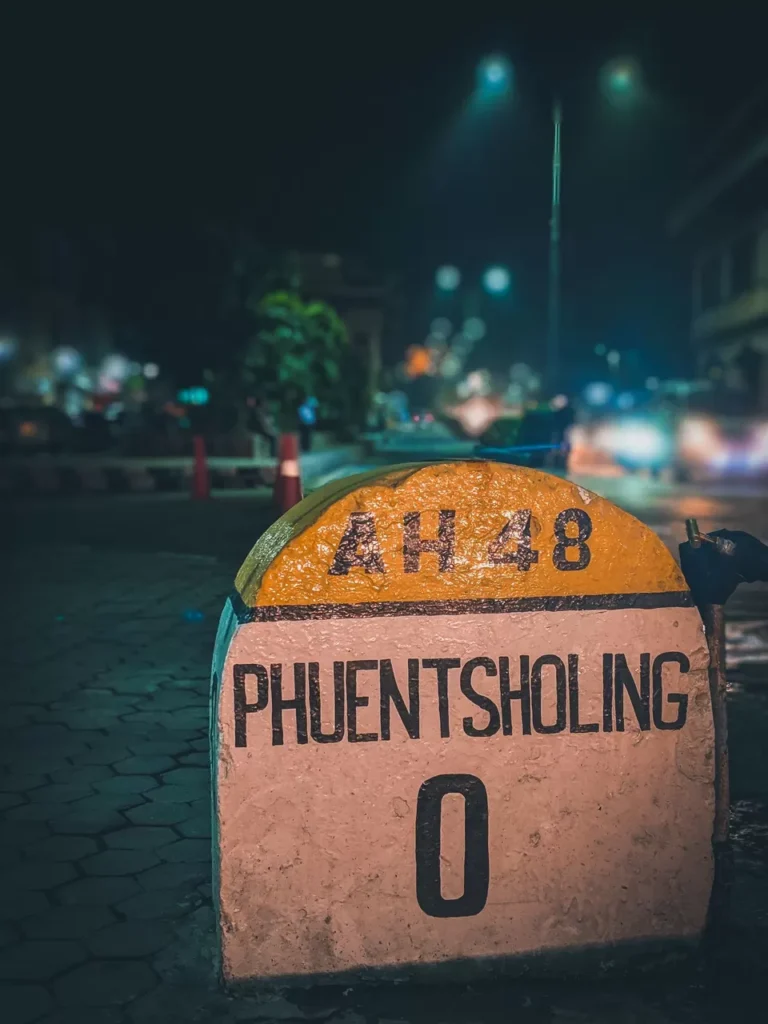
Day 1 Phuentsholing
Siliguri to Phuentsholing (153 km, 3.5 hours)
The road from Siliguri to Jaigaon is a proper highway, narrow in places and 4 lane in some. Nevertheless, it is a beautiful route passing through tea estates, streams, bridges and villages. As you reach Jaigaon three hours later, you will be welcomed with the first view of the hills dividing India and Bhutan. This is just a glimpse of your oncoming journey. Assuming that you started from Siliguri post lunch, you will reach Jaigaon by nightfall.
Staying in Phuentsholing as an Indian is fairly simple and flexible. You can enter and move around the town without a Bhutan entry permit for a short visit, and even stay overnight in local hotels. However, if you plan to stay beyond roughly a day or continue deeper into Bhutan (like Thimphu or Paro), you’ll need to apply for an entry permit and start paying the Sustainable Development Fee (₹1200 per night). Without a permit, your movement is limited to Phuentsholing and nearby areas, but for most travelers, that’s enough for a quick stopover before heading into the mountains.
What makes Phuentsholing interesting is how it feels. You literally walk across from the busy Indian town of Jaigaon and the shift is immediate cleaner streets, quieter roads, and a more relaxed, orderly pace. It’s Bhutan’s commercial gateway, so it has decent hotels, familiar food, and everything you need to settle in for a night. That said, it’s more of a transition point than a destination; most people stay just one night, get their permits sorted, and then head onward. The real magic of Bhutan begins once you leave Phuentsholing and start climbing into the hills.
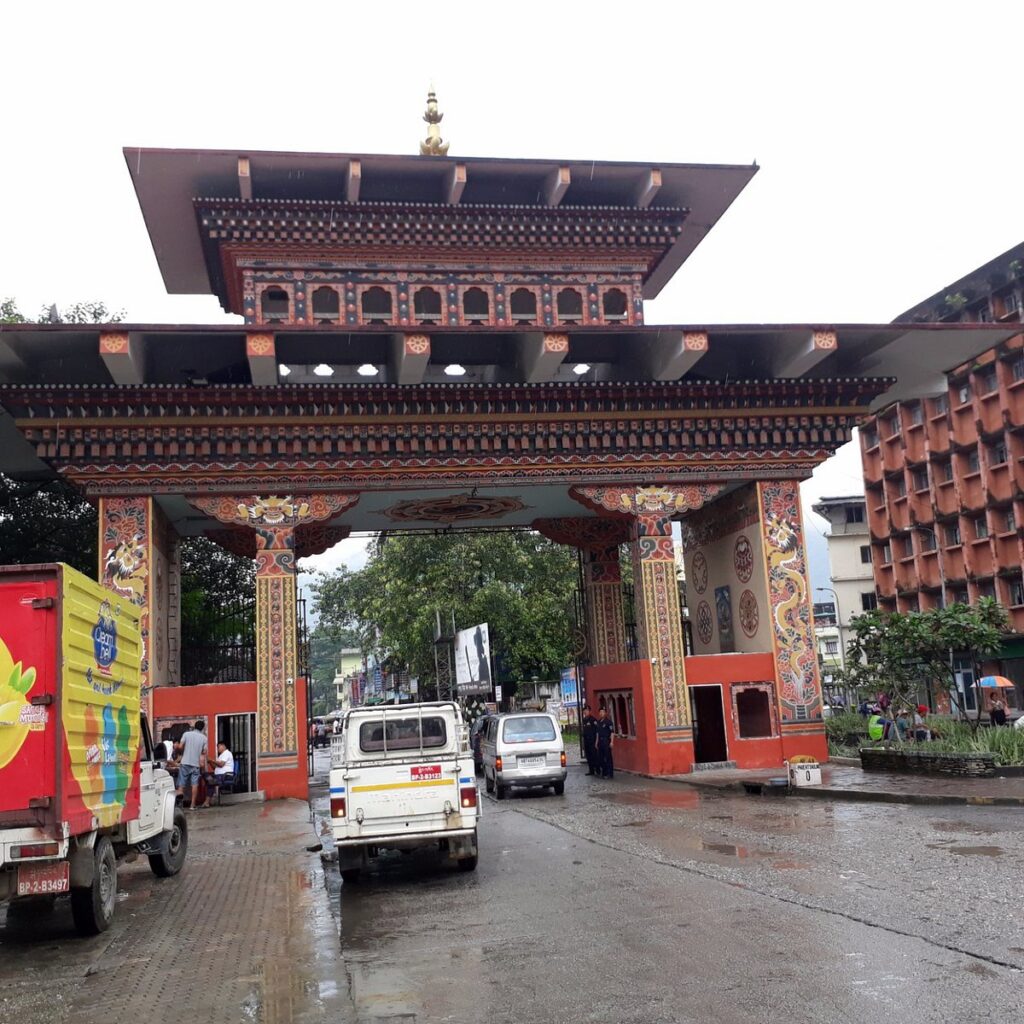
Places to visit in Phuentsholing: Bhutan gate, Crocodile Breeding Centre, Karbandi Monastery and the market.
Day 2 Paro
Phuentsholing to Paro (147 km, 4 hours)
Wake up to the fresh, dust free air and get ready to get your permits done. This entire process will take you half a day. So get to the Immigration office as early as 9.00 am (BT). Once the permits are in your pocket, start your heavenly ride to Paro.
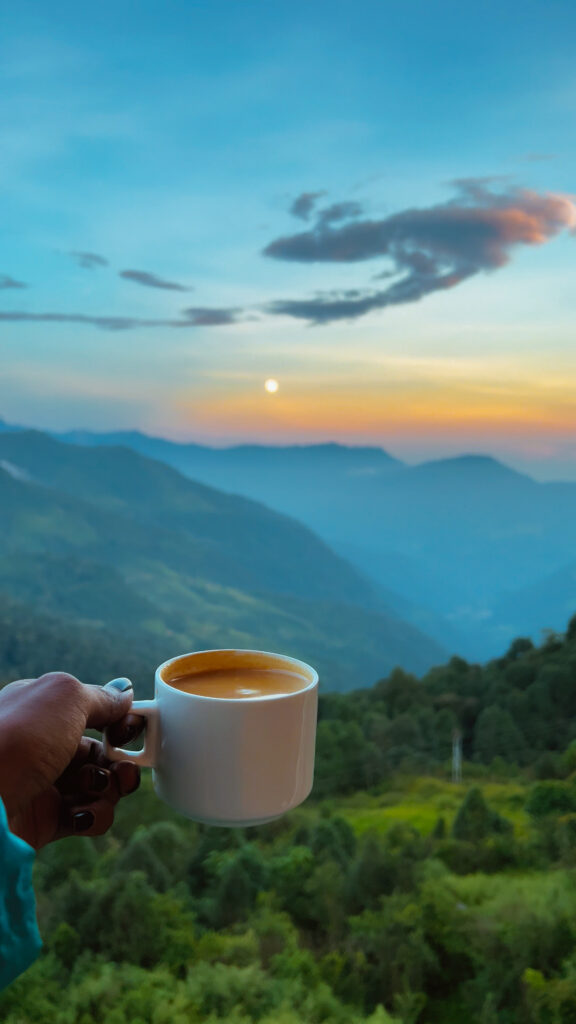
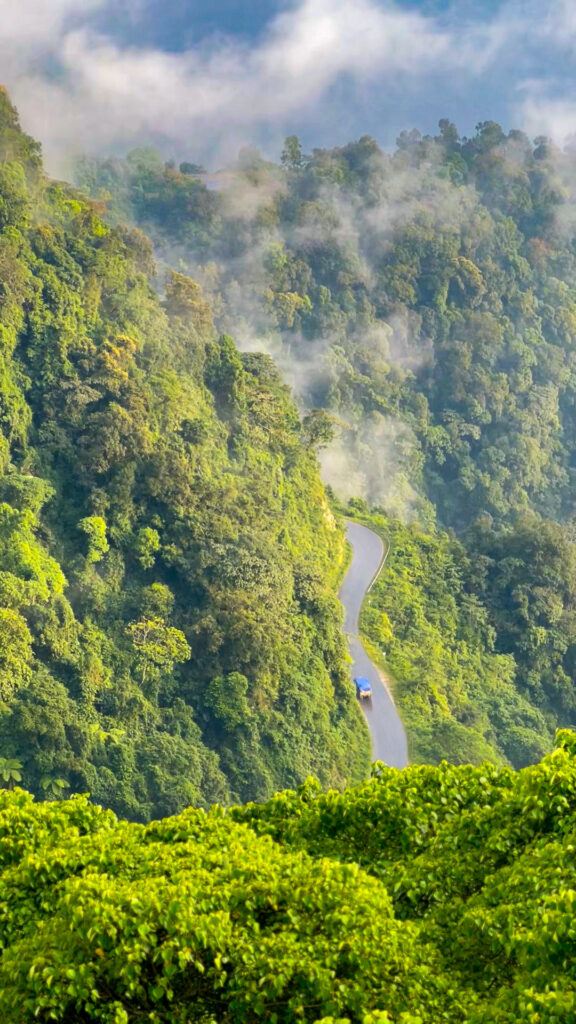
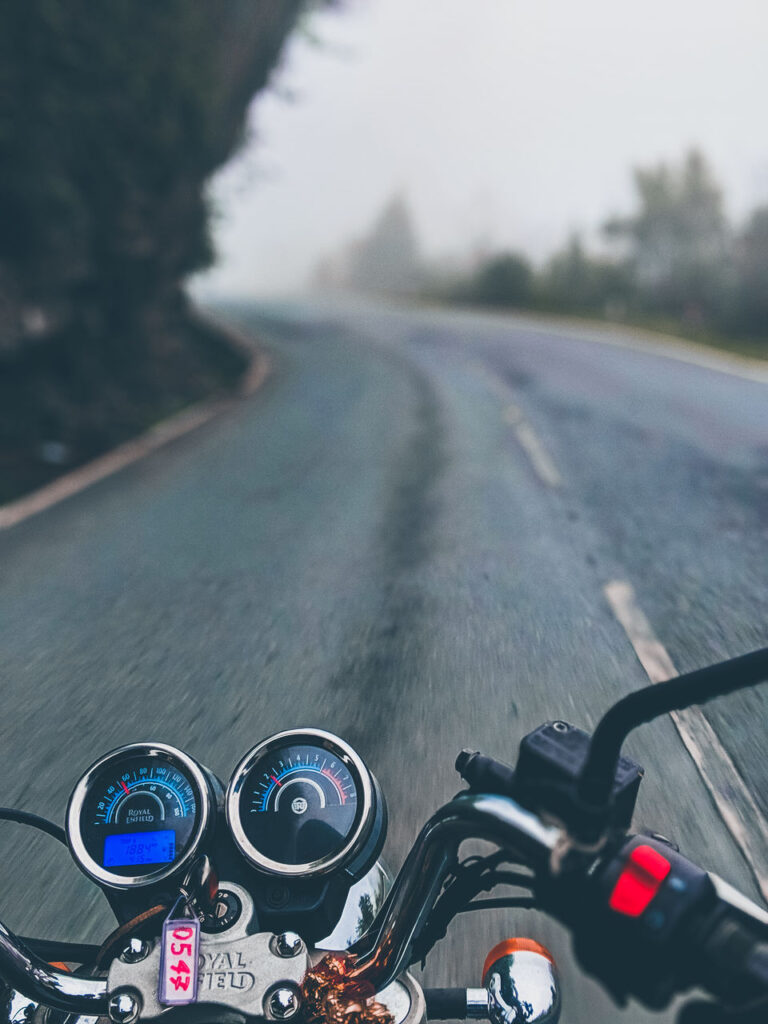
The route today will take you via some vibrantly green hills deeper into Bhutan. One hour into the ride you will start to experience fog and slight drizzle in the air, make no mistake in noting this place called Gedu. It is a small town known to have rainfall throughout the year. The route is mostly uphill until you reach Paro; the calm valley.
Day 3 Paro
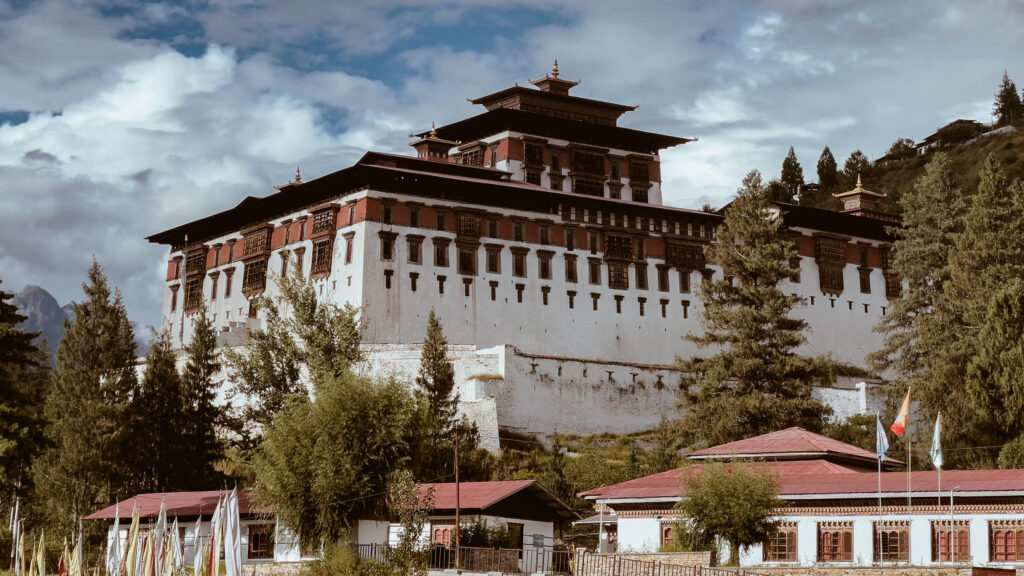
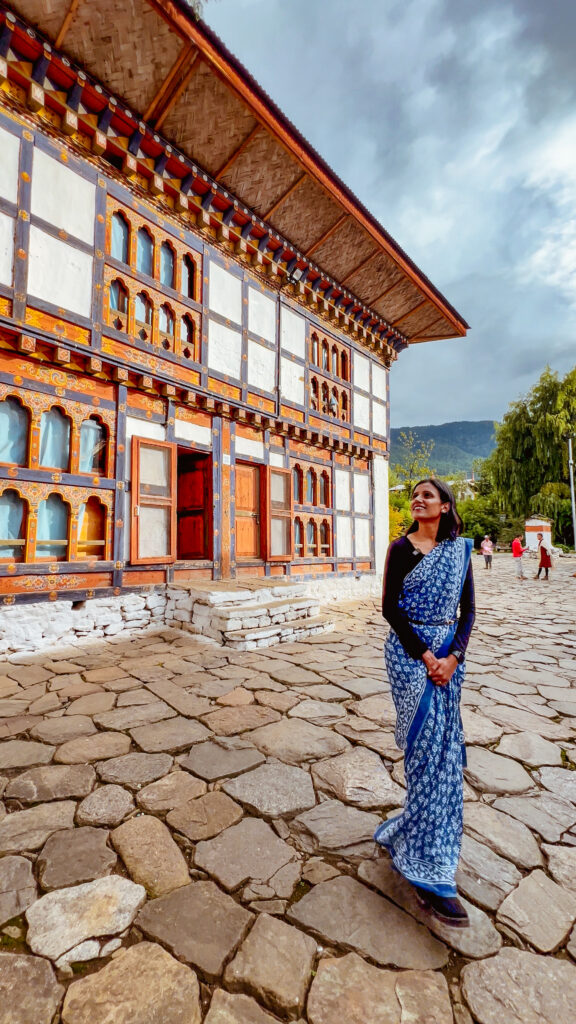
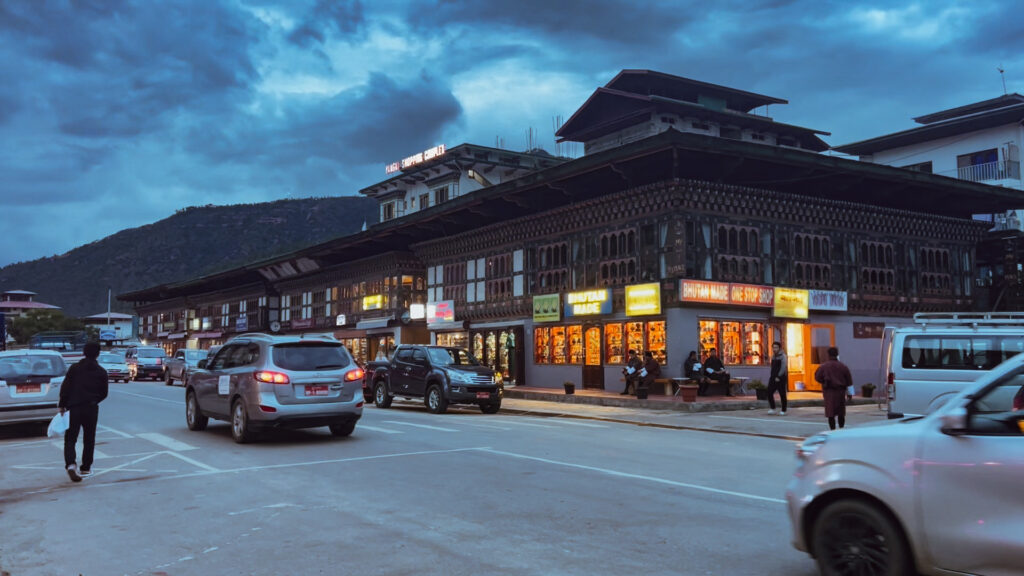
Paro is one of Bhutan’s most beautiful valleys and often the first real glimpse of the country for travelers, thanks to Paro International Airport. Surrounded by pine forests and mountains, it has a calm, almost storybook feel. The highlight here is the iconic Paro Taktsang, dramatically perched on a cliff and worth the hike for both the experience and views. You can also explore the stunning Rinpung Dzong, a classic Bhutanese fortress with intricate woodwork, and visit the National Museum of Bhutan to understand the country’s culture and history. Beyond sightseeing, Paro is perfect for slow travel think riverside walks, quiet cafés, and soaking in the peaceful rhythm of Bhutanese life.
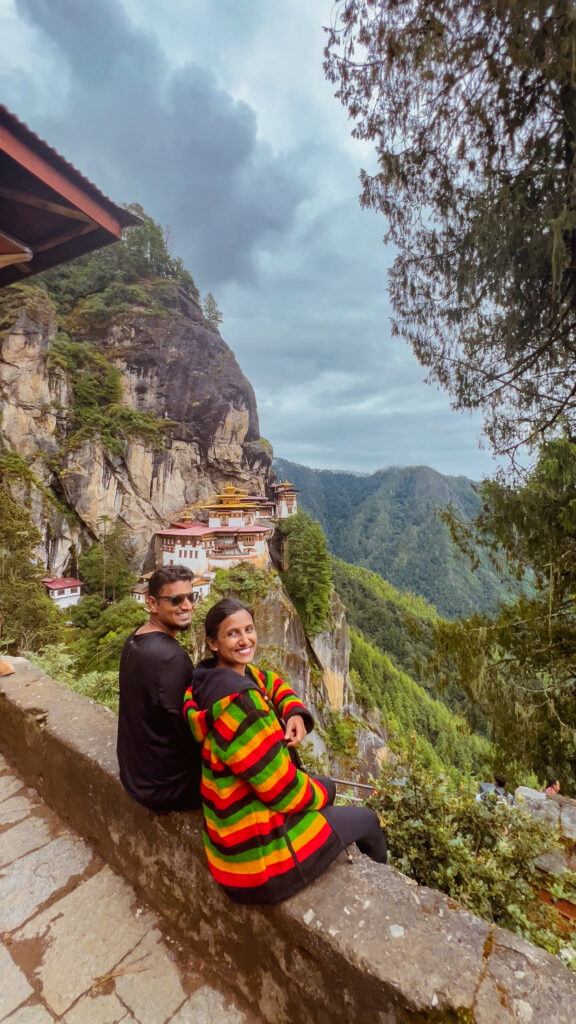
If you have a time constraint then the hike up to Tiger’s nest should be the first thing you do. It is a monastery which holds a special place in the history of Bhutan. The hike is about 5 hours in total, not difficult and offers you panoramic views of the valley. You can also visit monasteries, shop in the town or just take a walk in the fields.
Places to visit in Paro: Tiger’s nest hike, Rinpung Dzong, National Museum of Bhutan.
Day 4 Thimphu
Paro to Thimphu (50 km, 1 hour 15 min)
Begin your day as early as possible and start your ride to the capital city of Bhutan. As you enter Thimphu, the beauty of the valley will certainly leave you in awe. The colorful houses with the traditional architecture, the river flowing neatly dividing the valley and the never ending range of hills will freeze an image in your heart. Thimphu is the biggest city in Bhutan and the most colorful one too. Riding within the city is also fun here.
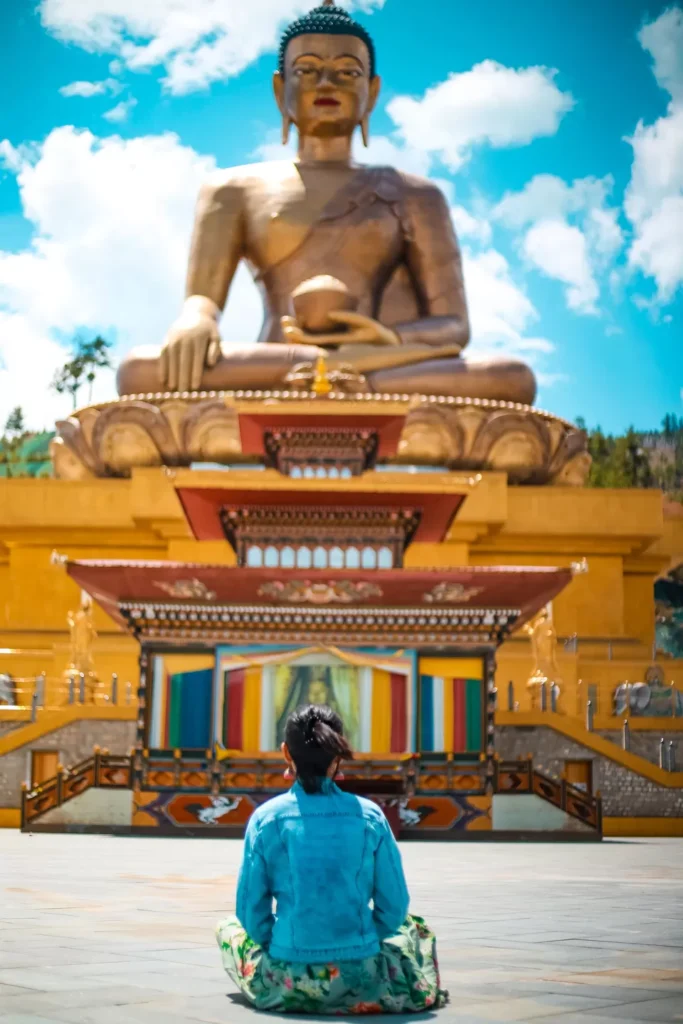
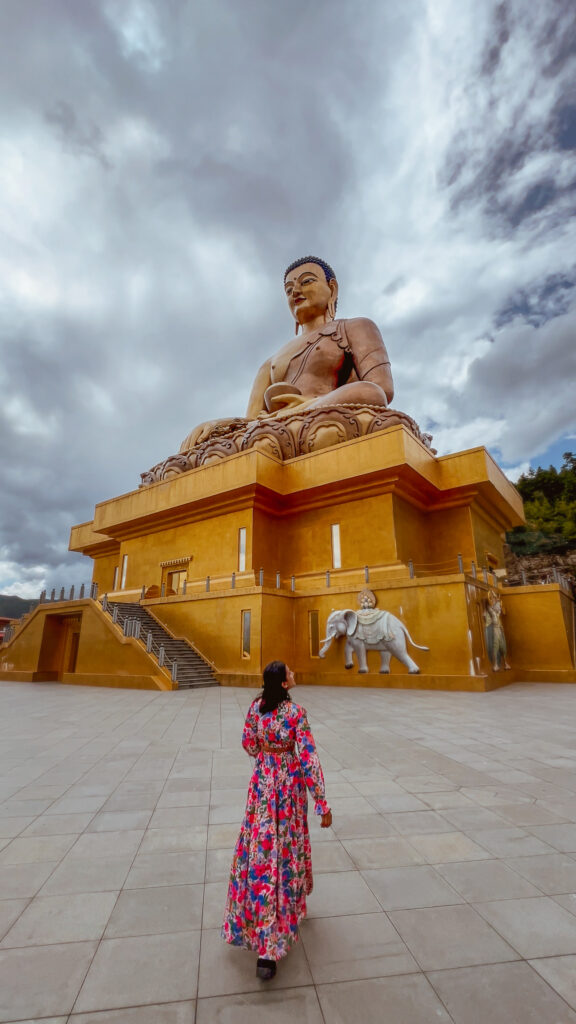
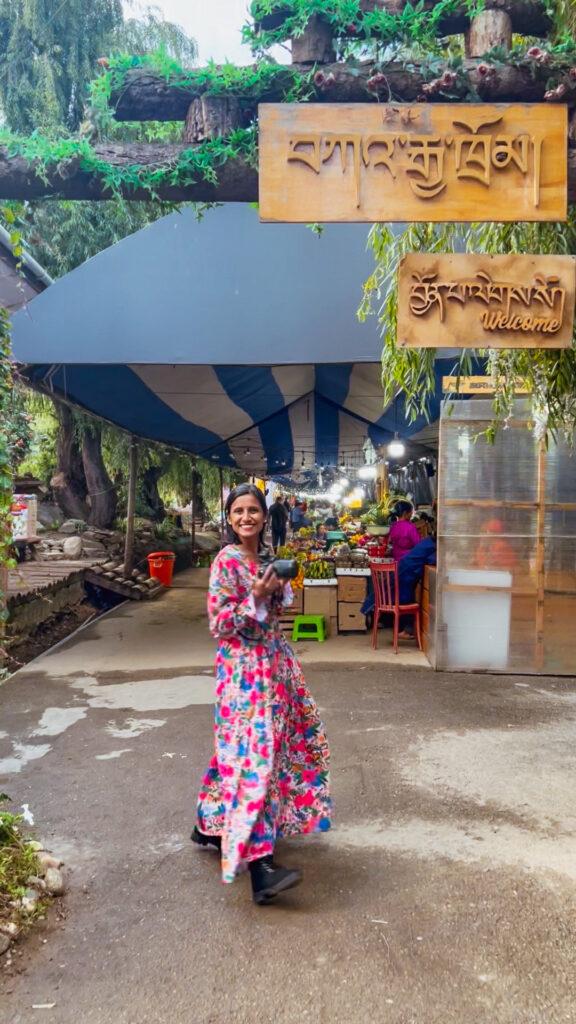
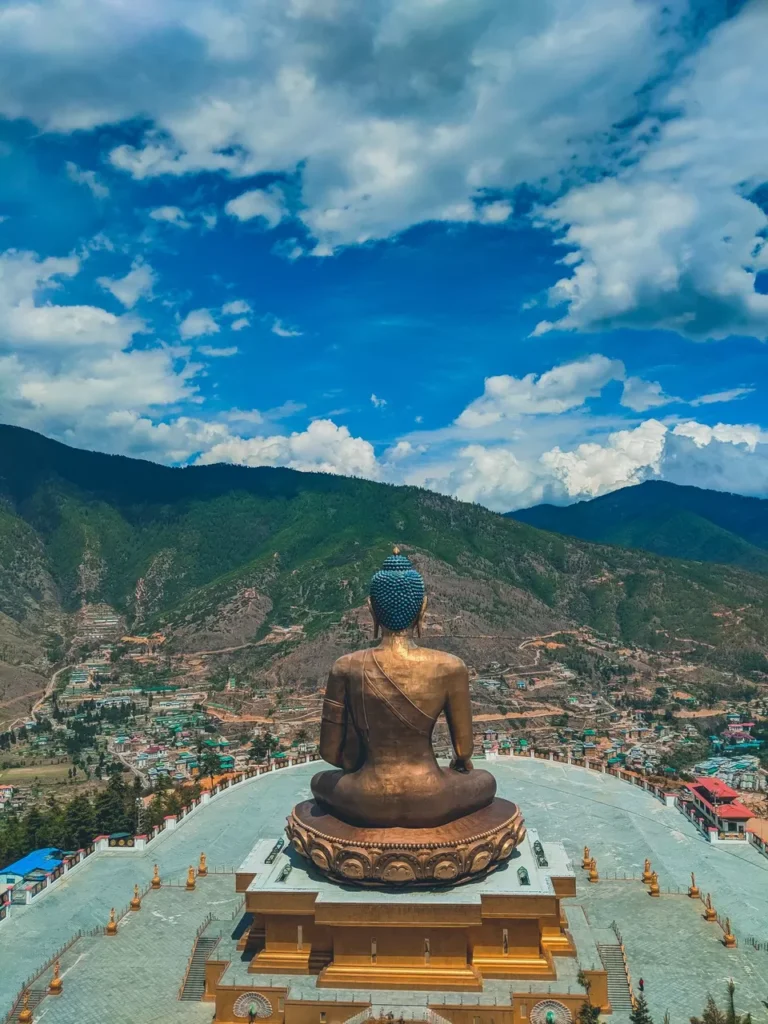
Thimphu is where Bhutan blends tradition with a slightly more modern, urban rhythm without losing its calm. It’s the country’s capital, but don’t expect chaos; there are no traffic lights, just a white-gloved traffic policeman directing cars with almost theatrical precision. One of the most striking landmarks is the massive Buddha Dordenma overlooking the valley, while the grand Tashichho Dzong serves as both a monastery and government seat. You can dive into Bhutanese culture at the Folk Heritage Museum or browse local crafts at the weekend market. Thimphu also has a growing café culture, making it a nice balance of sightseeing and slow exploration before heading to quieter valleys.
Places to visit in Thimphu: Big Buddha, Tashichho Dzong, Memorial Chorten, Changangkha Lhakhang, Folk heritage museum
Day 5 Punakha
Thimphu to Punakha (85 km, 2 hours 30 min)
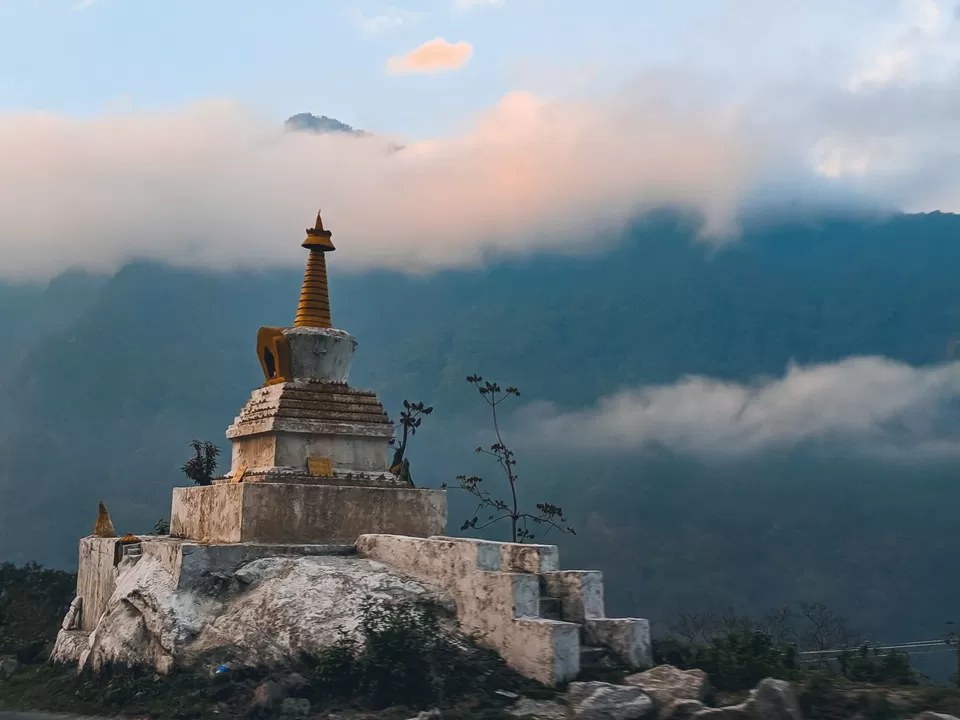
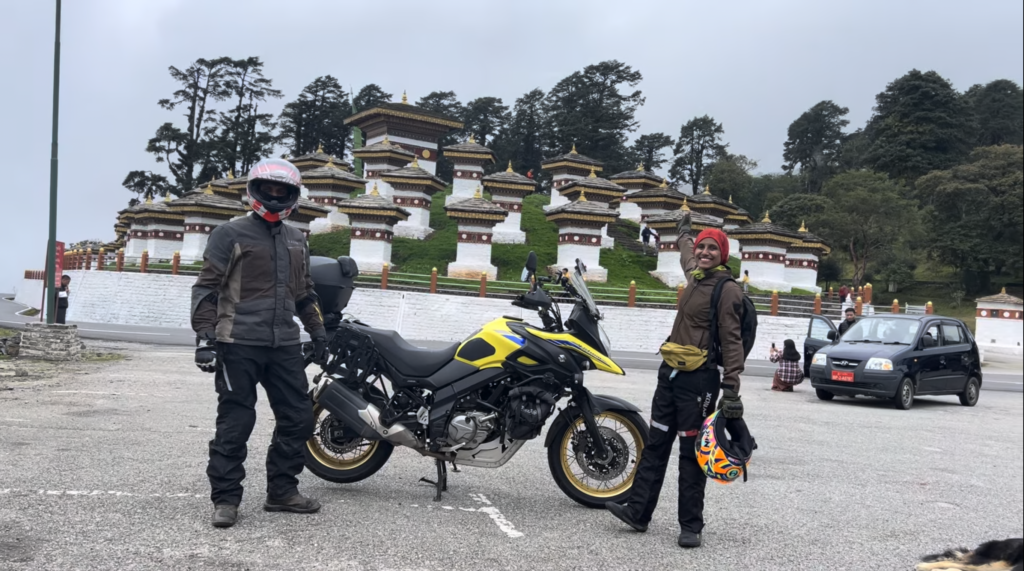
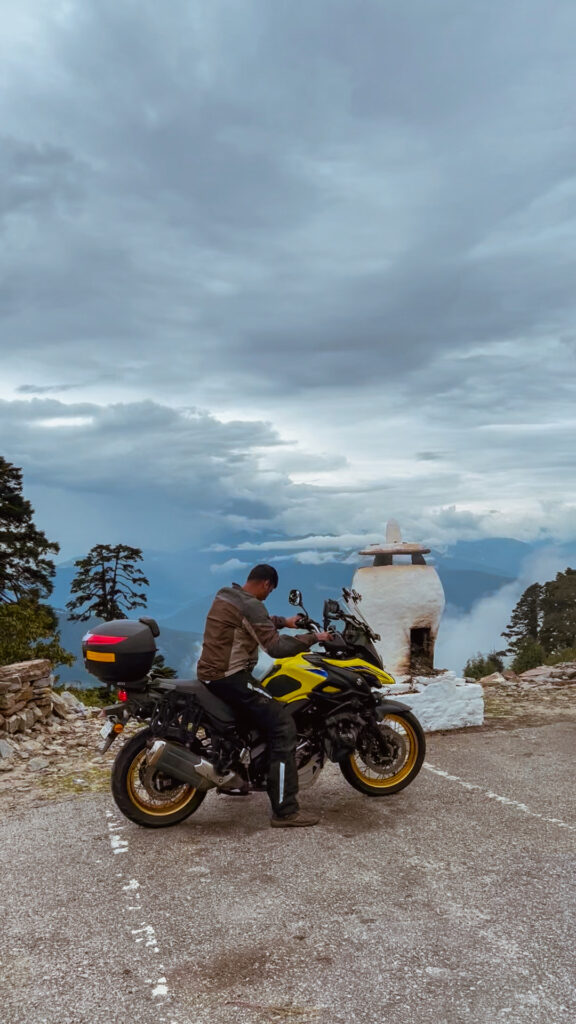
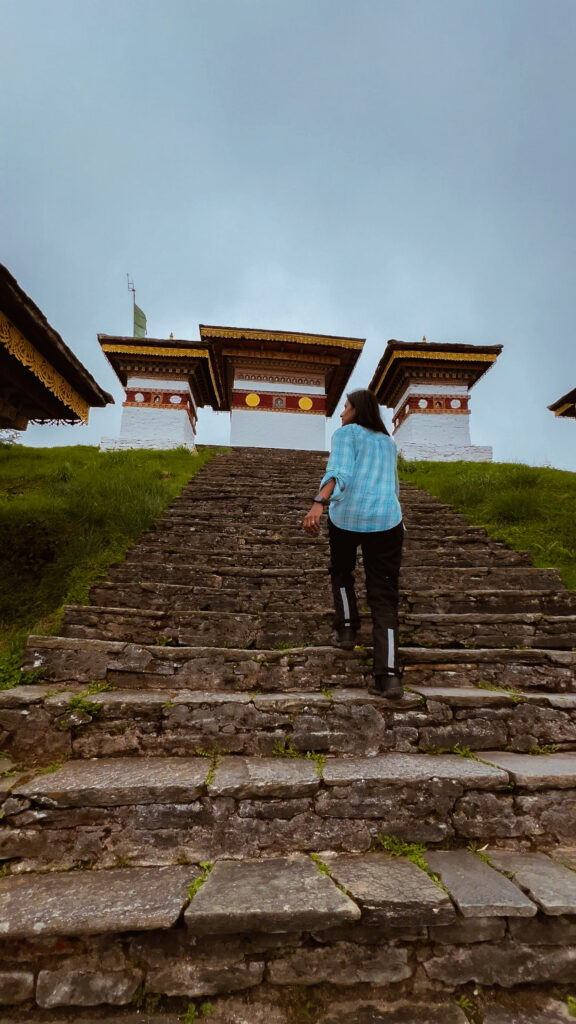
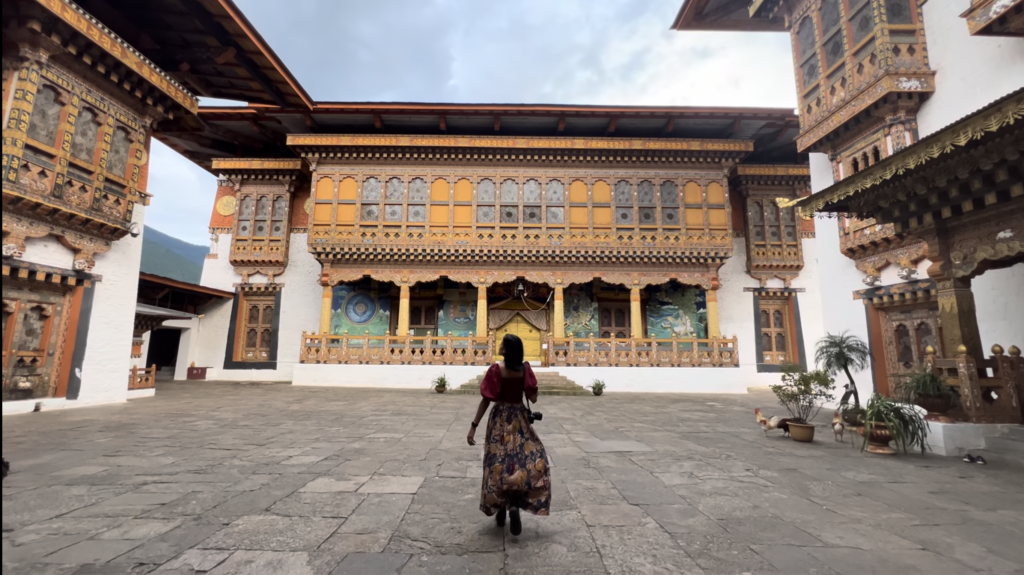
Today’s ride crosses Dochula pass and goes down to Punakha. Dochula Pass is one of the most scenic stops in Bhutan, located on the road between Thimphu and Punakha at an altitude of about 3,100 meters. What makes it unforgettable are the 108 memorial chortens (stupas), known as the Druk Wangyal Chortens, spread across the hilltop against a backdrop of the Himalayas. On a clear day, you get sweeping views of snow-capped peaks; on misty days, it feels almost mystical, with clouds drifting through the prayer flags. There’s also a small café and the Druk Wangyal Lhakhang nearby, adding a cultural touch to the stop. It’s less about “things to do” and more about pausing breathing in the cold mountain air, taking in the silence, and soaking in one of Bhutan’s most peaceful viewpoints.
Punakha
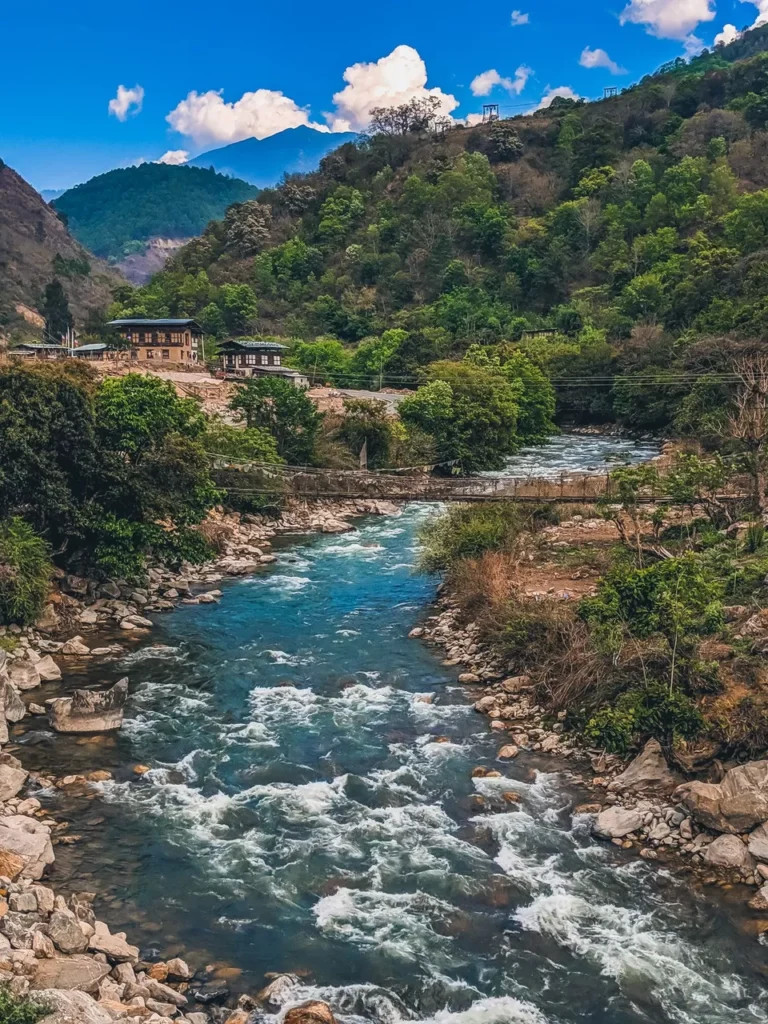
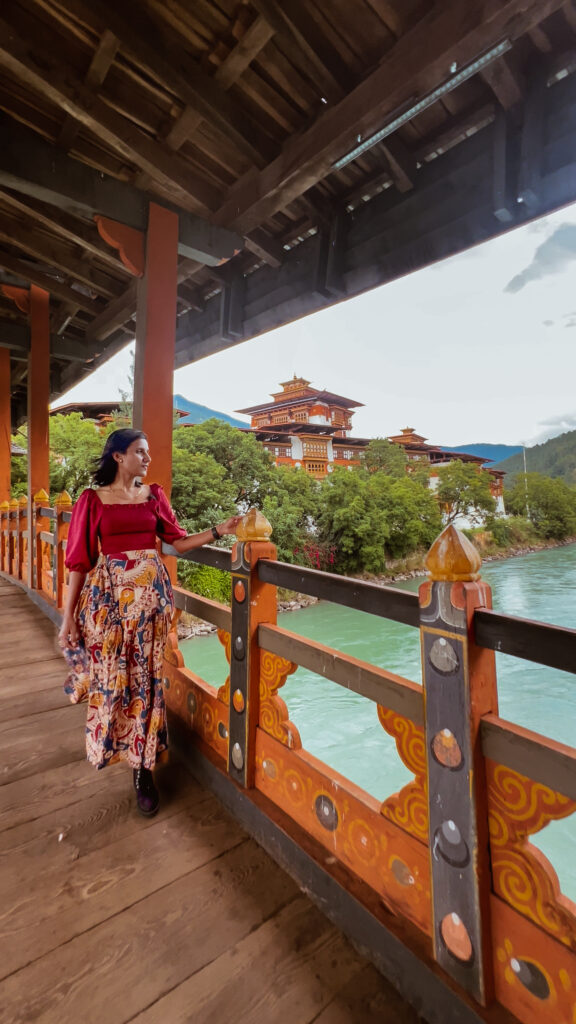
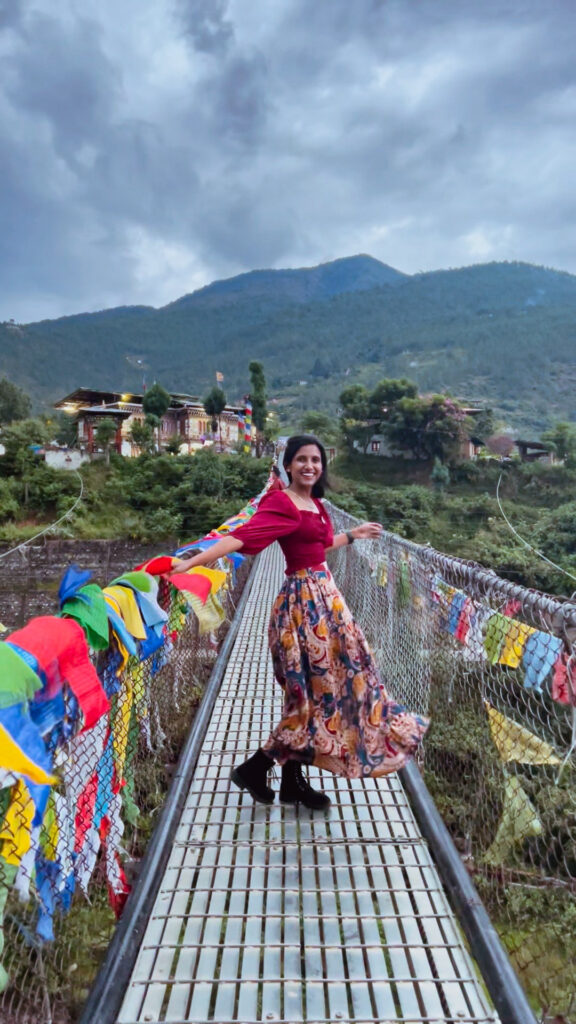
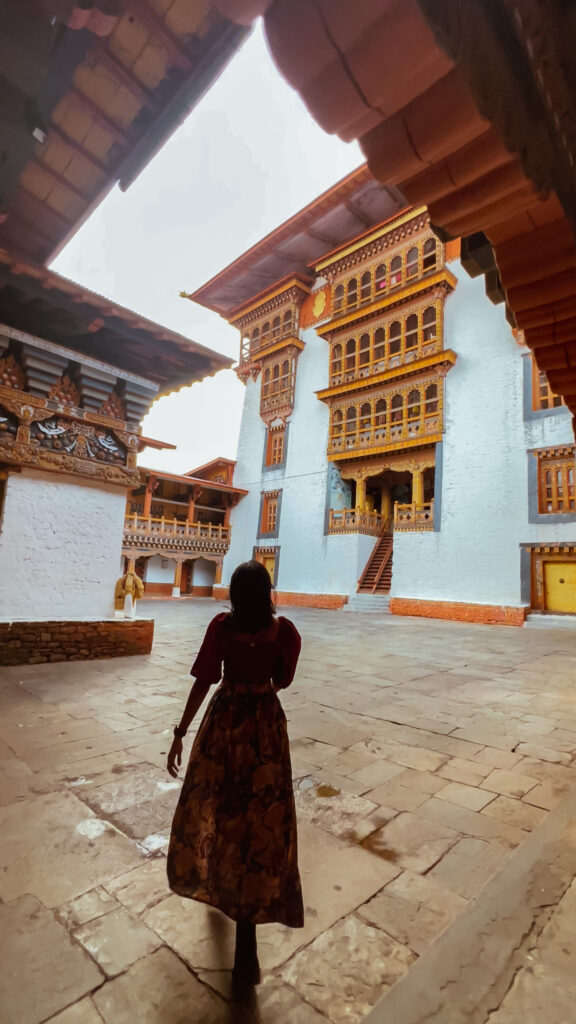
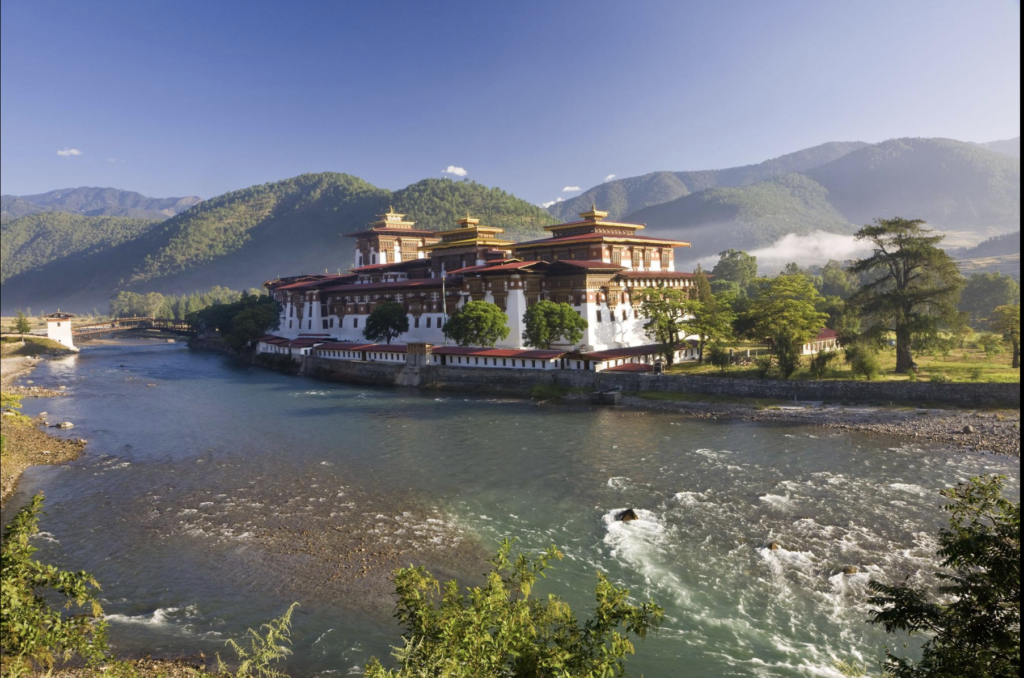
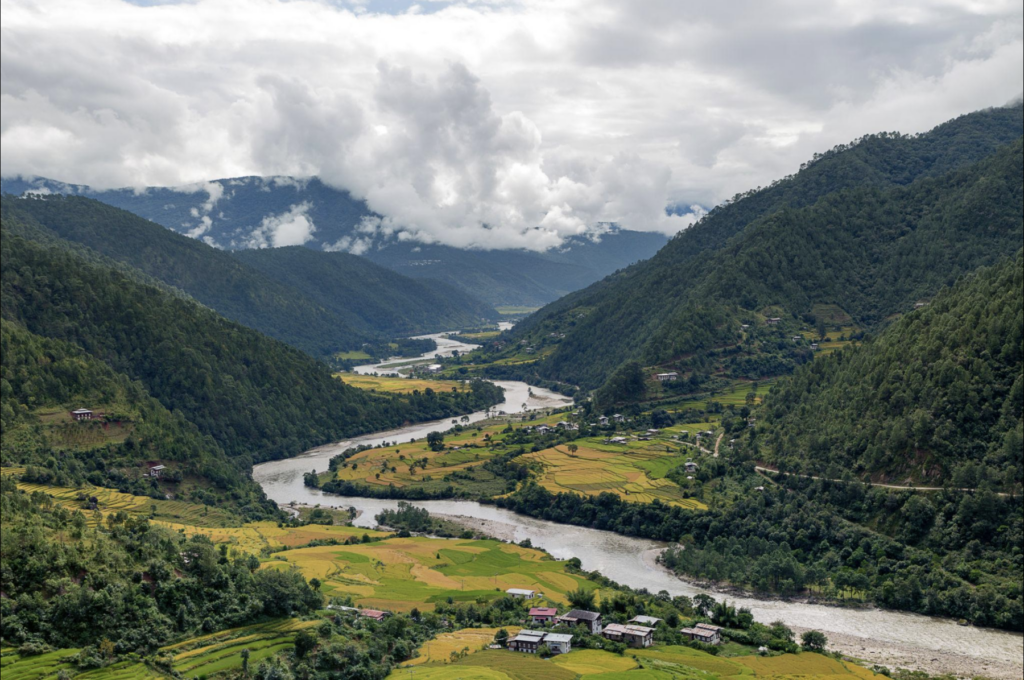
Punakha feels warmer, greener, and more relaxed compared to Thimphu and Paro, thanks to its lower altitude and river valley setting. It was once Bhutan’s capital, and the highlight here is the stunning Punakha Dzong, dramatically located at the confluence of two rivers and considered one of the most beautiful dzongs in the country. You can also walk across the long suspension bridge nearby, explore quiet rice fields, or simply slow down and enjoy the landscape. Punakha is less about ticking off sights and more about soaking in the peaceful rhythm of rural Bhutan.
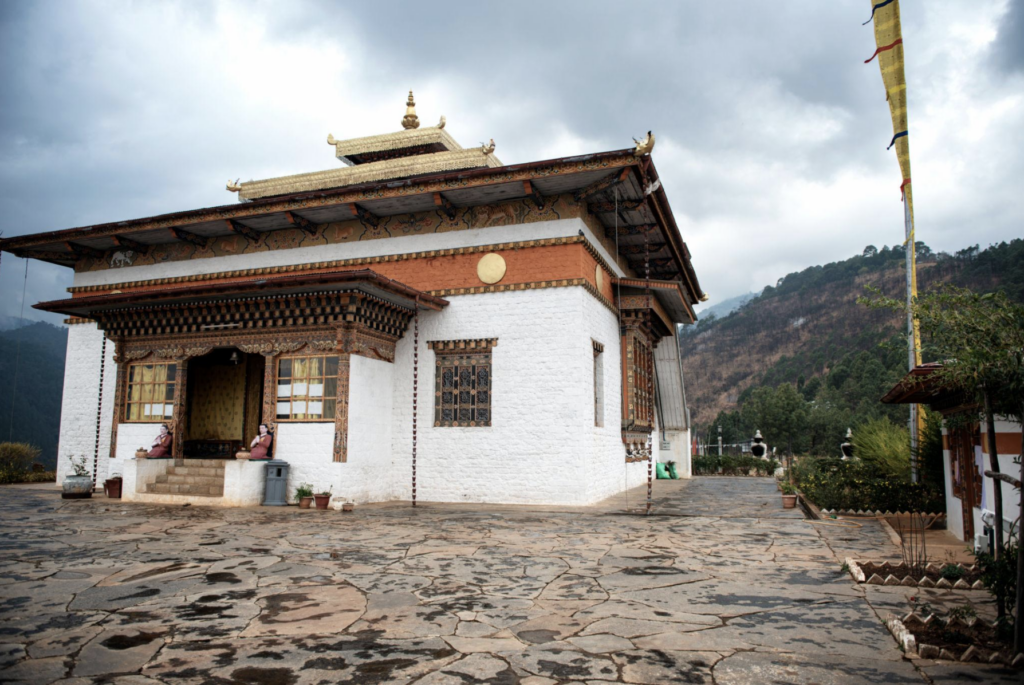
One of the most unique places to visit here is Chimi Lhakhang, often called the “Fertility Temple.” It’s dedicated to the eccentric Buddhist saint Drukpa Kunley, also known as the “Divine Madman,” who used humor, unconventional behavior, and symbolic imagery to teach spirituality. The temple is famous for its fertility blessings, and couples visit from all over hoping for children. You’ll notice phallic symbols painted on houses and carried as wooden artifacts these are not seen as crude, but as symbols believed to ward off evil and bring good luck. The walk to the temple through farmland adds to the experience, making it one of the most culturally fascinating stops in Bhutan.
Places to visit in Punakha: Punakha suspension bridge, Punakha Dzong, Chimi Lhakhang and market.
Day 6 Phobjikha Valley
Day 6 and 7: Punakha to Phobjikha (81 km, 2 hours 30 min)
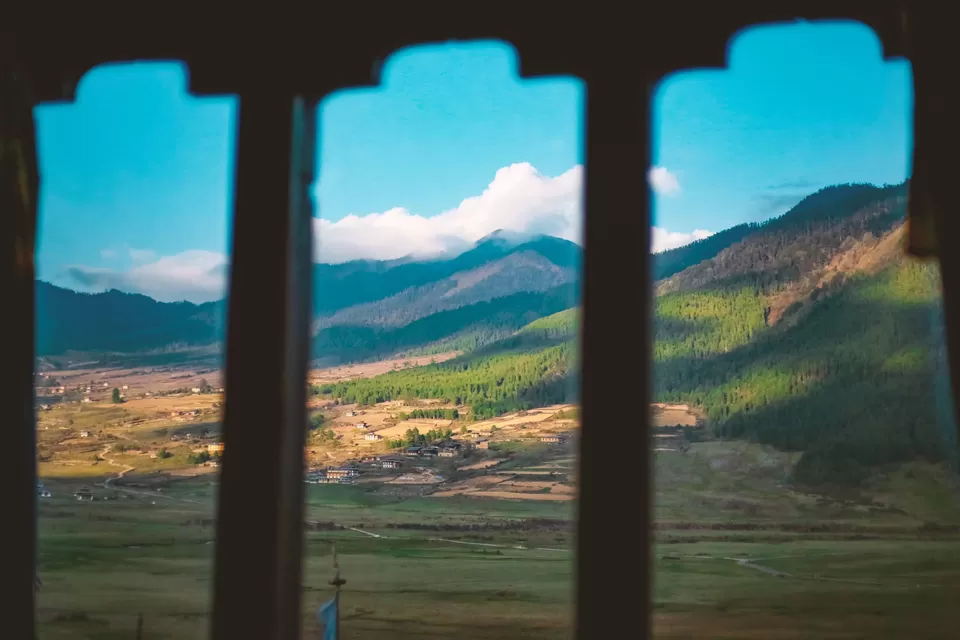
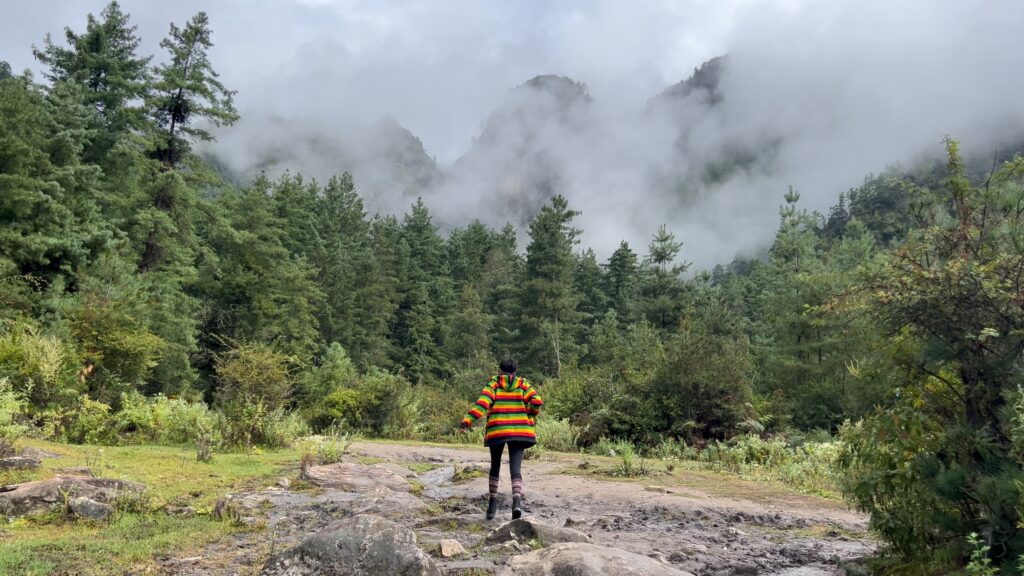
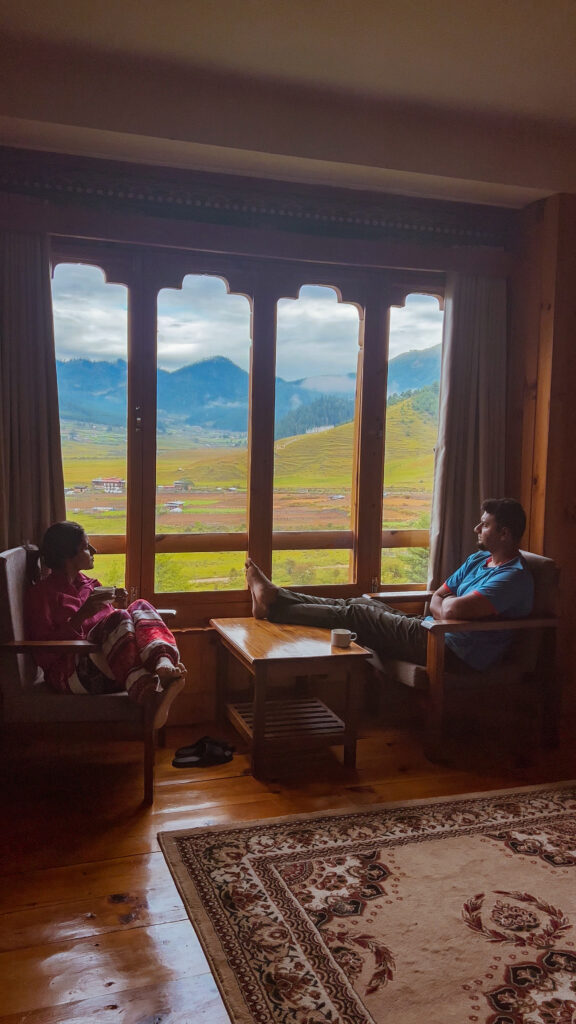
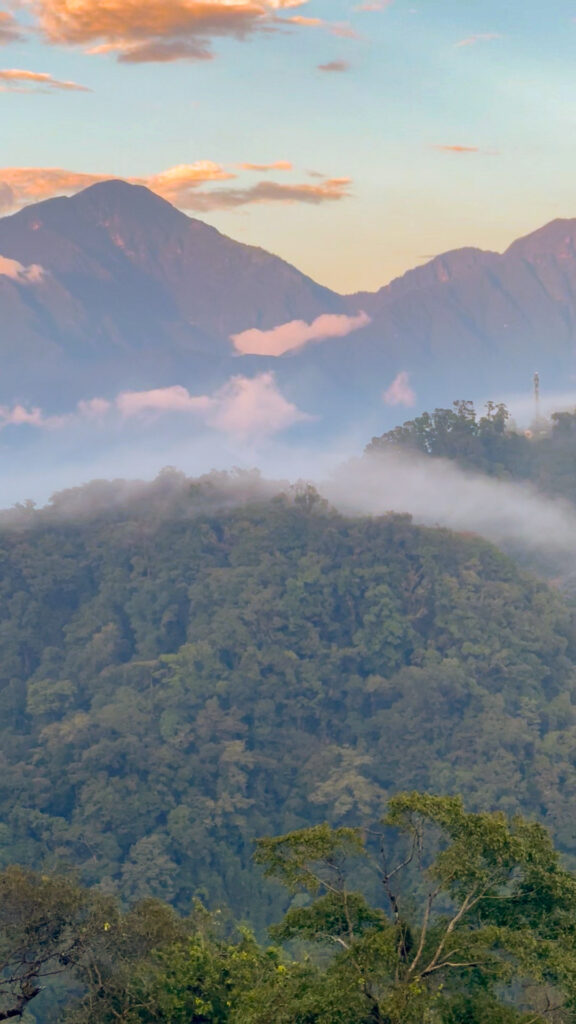
Phobjikha Valley is one of those places in Bhutan that feels untouched and almost otherworldly. Wide, open, and bowl-shaped, this glacial valley is a contrast to the steep, forested mountains you see elsewhere here, the land stretches out gently, wrapped in soft mist and silence. It’s especially magical in the early mornings, when fog rolls across the valley floor and the only sounds are distant bird calls and the wind moving through the grass.
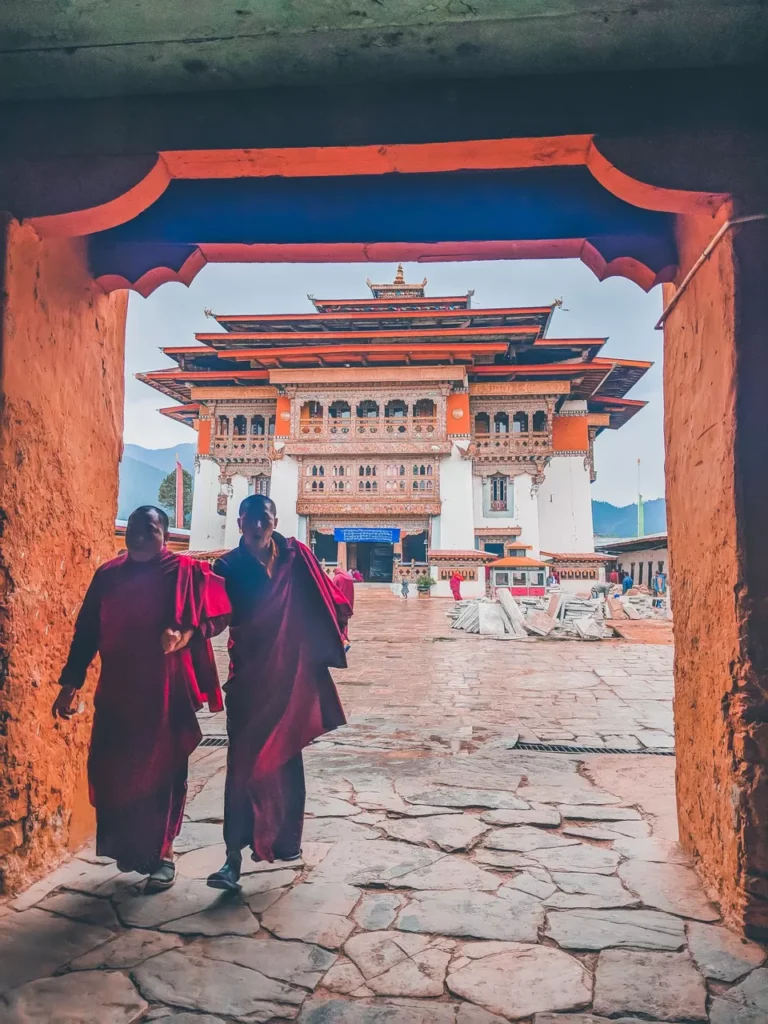
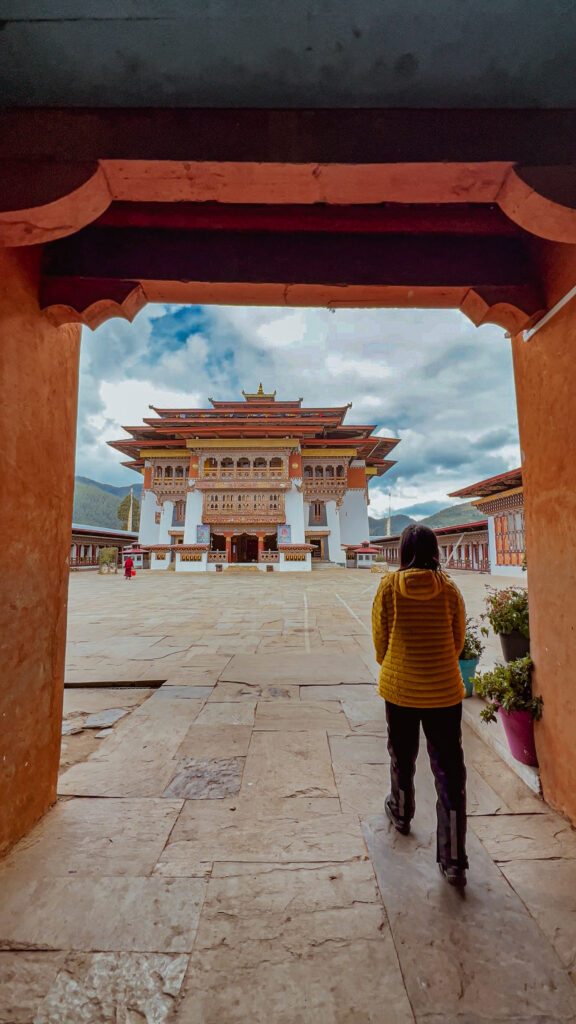
Overlooking it is the serene Gangtey Monastery, adding a quiet spiritual presence to the landscape. In winter, the valley becomes home to the rare Black-necked crane, making it even more special. But beyond sights, Phobjikha is about a feeling slow, raw, and deeply peaceful. There’s very little to “do” here, and that’s exactly the point. It invites you to pause, breathe, and just exist in the stillness.
Places to visit in Phobjikha: Gangtey Goemba, Black necked Crane, carpet factory, treks and hikes.
Day 8 Phuentsholing
Day 8 can be planned at your convenience and time remaining. You can take a break or ride back all the way to Phuentsholing and then Siliguri via the same route.
If you were able to get permission to ride beyond Phobjikha, you can go on till Bumtang via Trongsa. Permit rules in Bhutan vary from time to time and is subjected to conditions. Even a minimum of 6 days ride in Bhutan is satisfying for bike lovers. Riding in the dragon valley of the Himalayas is a dream for many and can be made true with a little bit of planning and research. Wishing you a good ride and loads of memories.
Bon Voyage!